
A Comprehensive Guide to Seasonal Landscaping in Texas


Understanding Texas Climate
Texas is known for its diverse climate, which can vary significantly from one region to another. This variability makes it essential to tailor your landscaping efforts according to the specific weather patterns and seasons in your area. From the arid west to the humid east, understanding the local climate is crucial for successful landscaping.
In general, Texas experiences mild winters and hot summers. However, the timing and intensity of these seasons can affect plant choices and care routines. Proper planning ensures that your garden thrives year-round.
Spring Landscaping Tips
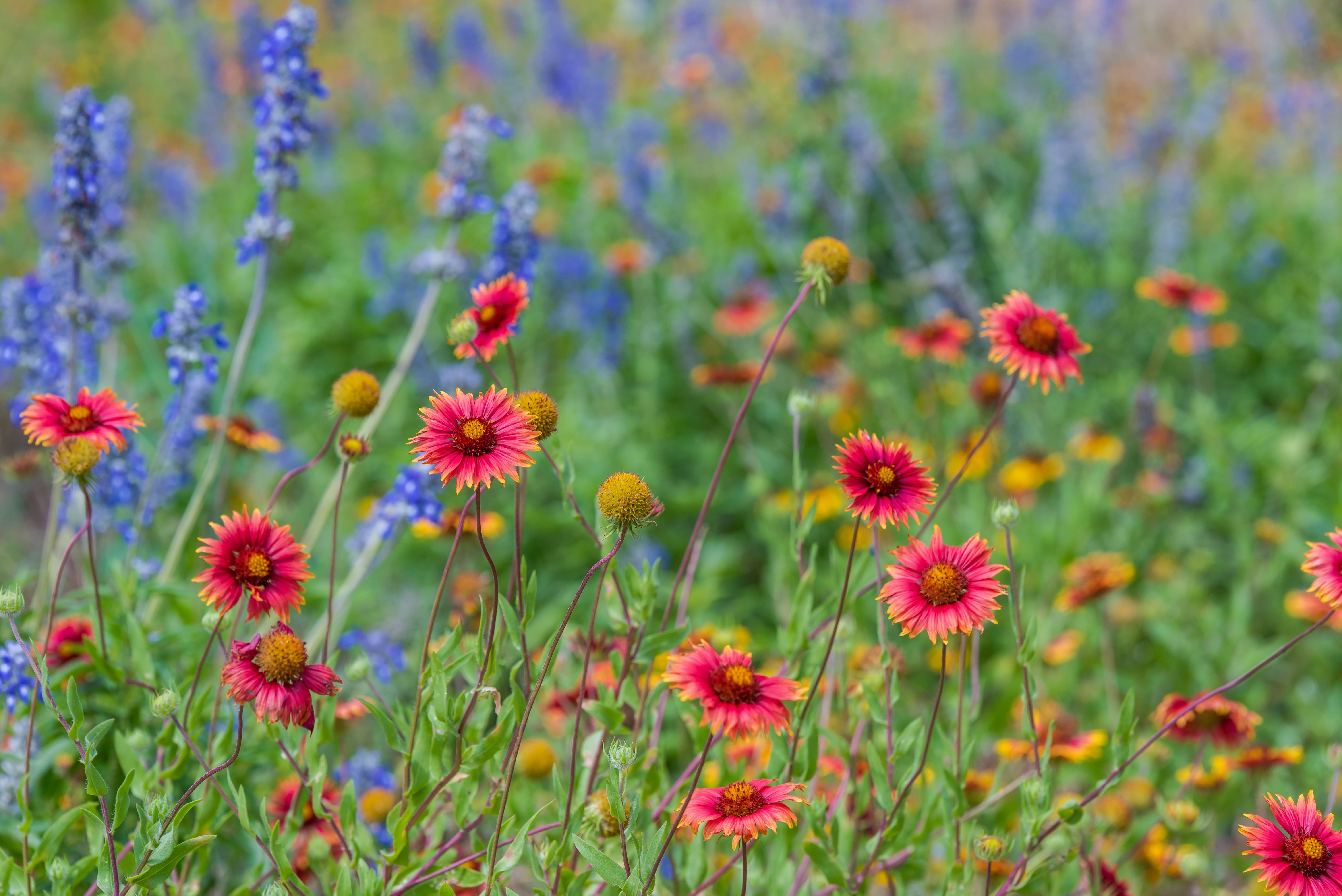
Springtime in Texas is a wonderful opportunity to revitalize your garden. As temperatures rise, consider planting native flowers like bluebonnets and Indian paintbrushes, which are well-suited to the local climate. These plants not only beautify your landscape but also support local wildlife.
Pruning is an essential task during spring. Trim back any dead or damaged branches to encourage new growth. Additionally, apply a fresh layer of mulch to retain moisture and suppress weeds. This will help your garden flourish as the season progresses.
Summer Care Strategies
The Texas summer can be harsh, with high temperatures and occasional drought conditions. To keep your landscape thriving, focus on drought-resistant plants such as succulents and cacti. These plants require less water and can withstand the intense summer heat.
Watering should be done early in the morning or late in the evening to minimize evaporation. An efficient irrigation system can help conserve water while ensuring your plants receive adequate moisture. Regularly check your soil for moisture levels and adjust watering schedules accordingly.

Fall Planting and Maintenance
Fall is a prime time for planting in Texas, with cooler temperatures allowing for the establishment of new plants. Consider adding perennials and shrubs that can provide color throughout the cooler months. Ornamental grasses also add texture and interest to fall landscapes.
Rake up fallen leaves to prevent them from smothering your lawn. Composting these leaves can create nutrient-rich soil to use in future gardening projects. Fertilizing your lawn during fall helps prepare it for the winter ahead.
Winter Preparations
While Texas winters are generally mild, occasional frosts can occur. Protect sensitive plants by covering them with frost cloths or moving potted plants indoors. Winter is also a great time to prune trees and shrubs to shape them for the upcoming growing season.
Mulching during winter helps insulate plant roots and maintain soil temperature. Ensure your irrigation system is in good condition to avoid damage from unexpected freezes. Preparing your landscape adequately ensures a seamless transition into spring.

Choosing the Right Plants
Selecting the right plants for each season is crucial for successful landscaping. Native plants are often the best choice as they are adapted to the local climate and soil conditions. They require less water, fertilizer, and care, making them a sustainable option.
Consult with local gardening experts or extension offices to identify the best plant choices for your specific region. This investment in knowledge can lead to a flourishing garden that enhances the natural beauty of your home.
Final Thoughts
Seasonal landscaping in Texas requires careful planning and adaptation to the state's unique climate. By understanding local weather patterns and selecting appropriate plants, you can create a stunning and sustainable garden. Whether you're an experienced gardener or just starting, these tips will help you make the most of your outdoor space year-round.