
Common Mistakes in Commercial Landscape Design and How to Avoid Them


Understanding the Importance of Commercial Landscape Design
Commercial landscape design is more than just aesthetics; it's a strategic component that enhances property value, attracts customers, and creates a welcoming environment. However, many businesses make critical mistakes that can undermine these benefits. By understanding and avoiding these common errors, you can ensure a successful landscape design.
Ignoring the Local Climate
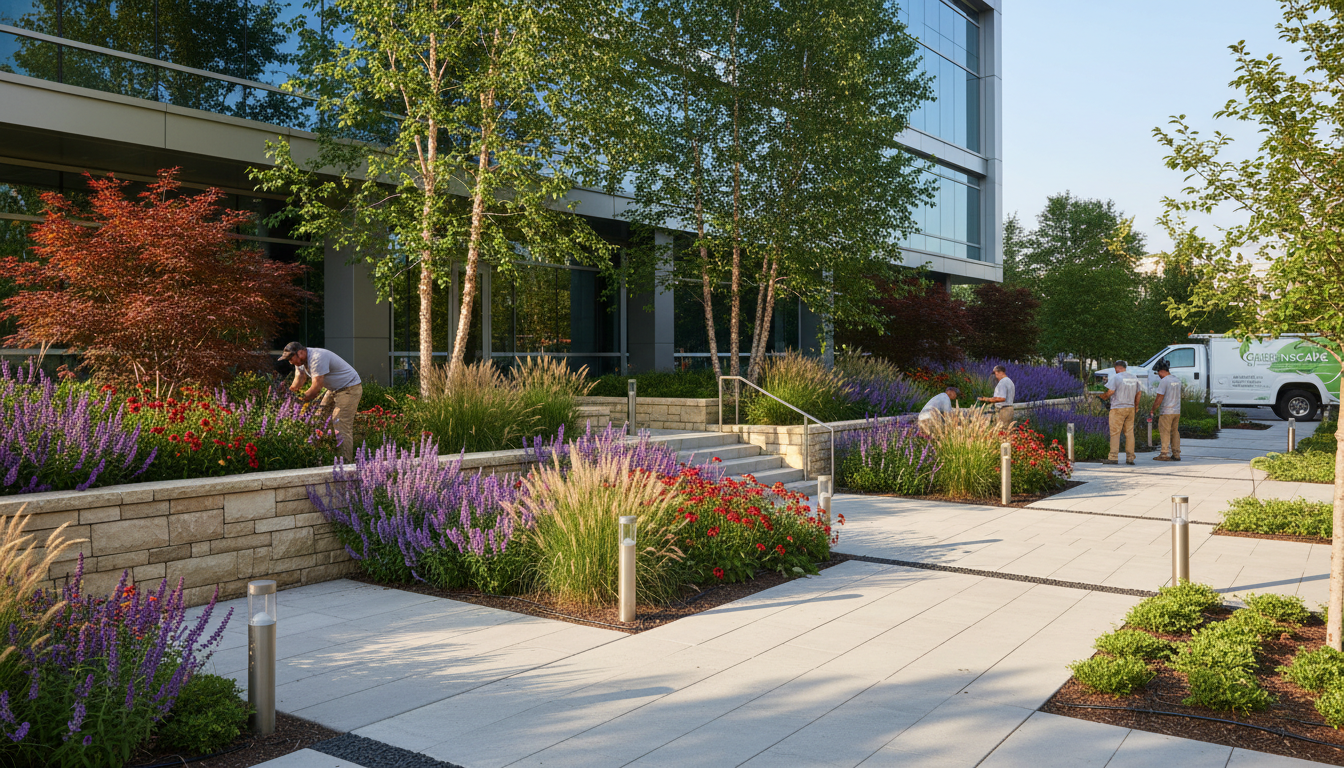
One of the most frequent mistakes in commercial landscape design is neglecting the local climate. Choosing plants and materials that aren't suited for the regional weather conditions can lead to poor plant health and increased maintenance costs. It's vital to select climate-appropriate plants to create a sustainable landscape.
How to Avoid: Consult with local experts or hire a landscape designer familiar with the area's climate to ensure that your plant selections will thrive throughout the year.
Overlooking Functional Needs
A beautifully designed landscape that doesn't meet the functional needs of a property is a missed opportunity. Whether it's providing adequate space for foot traffic or ensuring easy access to buildings, functionality should be a top priority.
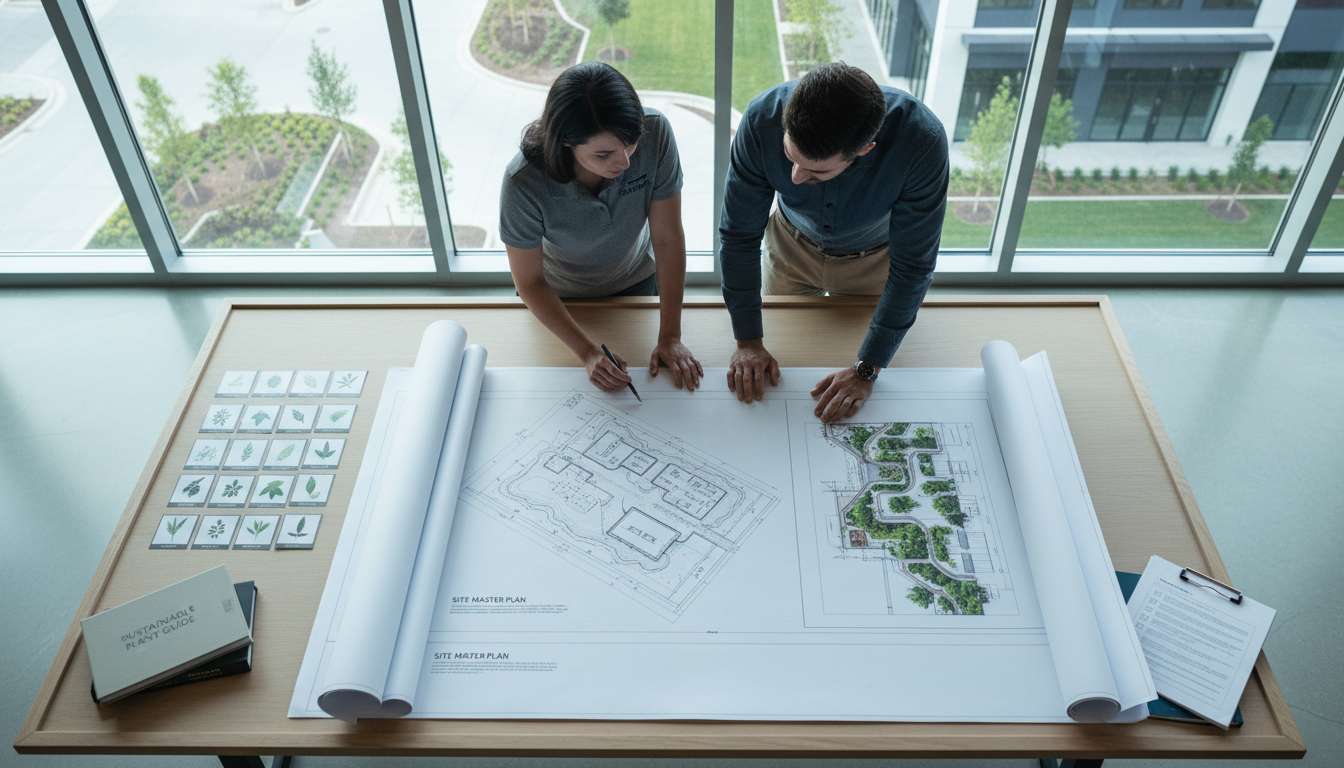
How to Avoid: Conduct a thorough needs assessment and work closely with your design team to integrate both aesthetic and practical elements. This ensures that the landscape serves its intended purpose while looking great.
Neglecting Maintenance Requirements
Another common pitfall is underestimating the maintenance requirements of a landscape design. A design that looks stunning initially may become a burden if it requires excessive upkeep that wasn't anticipated.
How to Avoid: Choose plants and materials that are low-maintenance and suited to your maintenance budget. Regular upkeep should be planned and budgeted from the outset.
Forgetting About Seasonal Changes
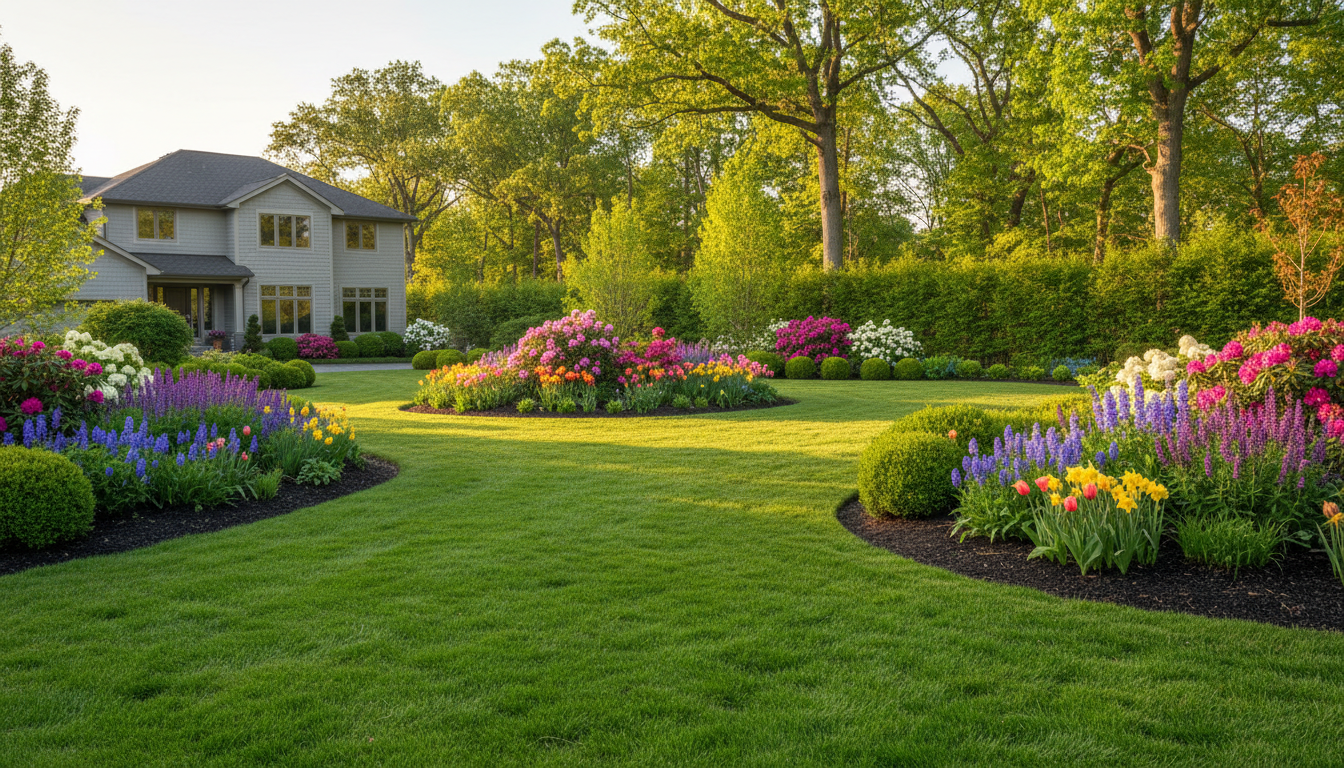
Designing a landscape that only looks good in certain seasons can limit its appeal. A well-thought-out plan should incorporate elements that maintain visual interest throughout the year.
How to Avoid: Use a mix of evergreen and deciduous plants, along with hardscaping elements, to ensure year-round appeal. Consider how colors, textures, and shapes will change with the seasons.
Lack of Cohesion with Architecture
The landscape should complement the architectural style of the buildings it surrounds. A mismatch between the landscape and architecture can create a jarring aesthetic that detracts from the overall appeal of the property.
How to Avoid: Work with your design team to ensure that the landscape design aligns with the architectural style and enhances the property's overall look and feel.
Ignoring Environmental Impact
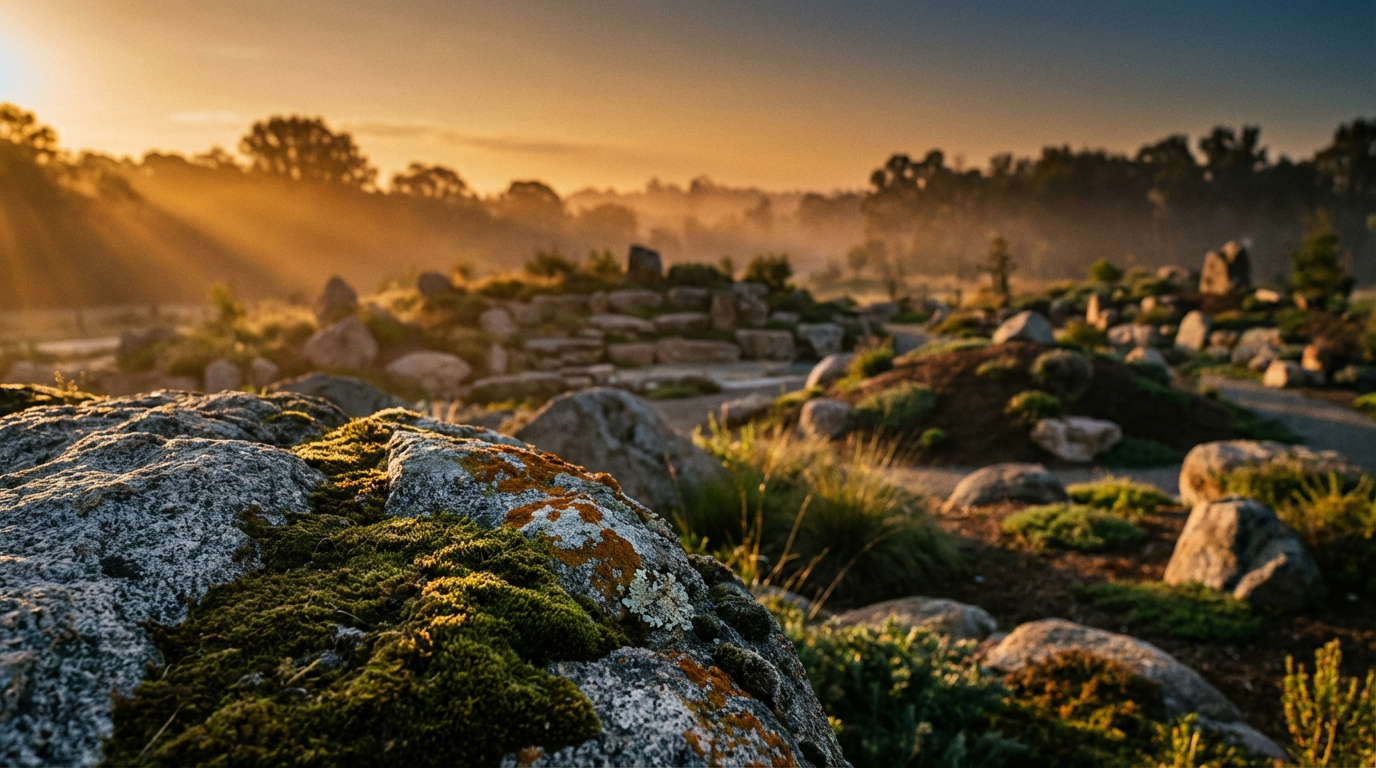
In today's environmentally conscious world, ignoring the environmental impact of your landscape design can be a costly mistake. Sustainable practices not only benefit the environment but also enhance your brand's reputation.
How to Avoid: Incorporate eco-friendly practices such as rainwater harvesting, native plantings, and energy-efficient lighting to minimize environmental impact and promote sustainability.