
Essential Irrigation System Installation Tips for Businesses in Texas


Installing an irrigation system for your business in Texas is a smart investment that can lead to healthier landscapes and lower water bills. However, it's important to approach this project with careful planning and consideration. Here are some essential tips to ensure a successful installation.
Understand Your Landscape's Needs
Before installing an irrigation system, it's crucial to assess the specific needs of your landscape. Consider factors such as soil type, plant species, and the local climate. Texas has a diverse range of environments, so understanding the particular requirements of your area will help in choosing the right system. Remember, different plants have different water requirements, and your system should be tailored accordingly.

Select the Right Irrigation System
There are several types of irrigation systems available, each with its own advantages. Drip irrigation is ideal for water conservation and is suitable for areas with a lot of plant beds. Sprinkler systems are better for larger, open areas like lawns. Evaluate the pros and cons of each type to determine which best suits your landscape and business needs.
Consider Water Efficiency
Texas often experiences drought conditions, making water conservation a top priority. Opt for systems that promote efficient water usage. Smart irrigation controllers that adjust watering schedules based on weather conditions can be a great addition. Additionally, ensure that your system is designed to minimize runoff and overspray.
Proper Installation Techniques
Once you've chosen your system, proper installation is key to its effectiveness. It's often best to hire a professional to ensure that the system is installed correctly. They will have the expertise to handle complex installations and to avoid common pitfalls such as improper pipe placement or inadequate water pressure.
Regular Maintenance is Crucial
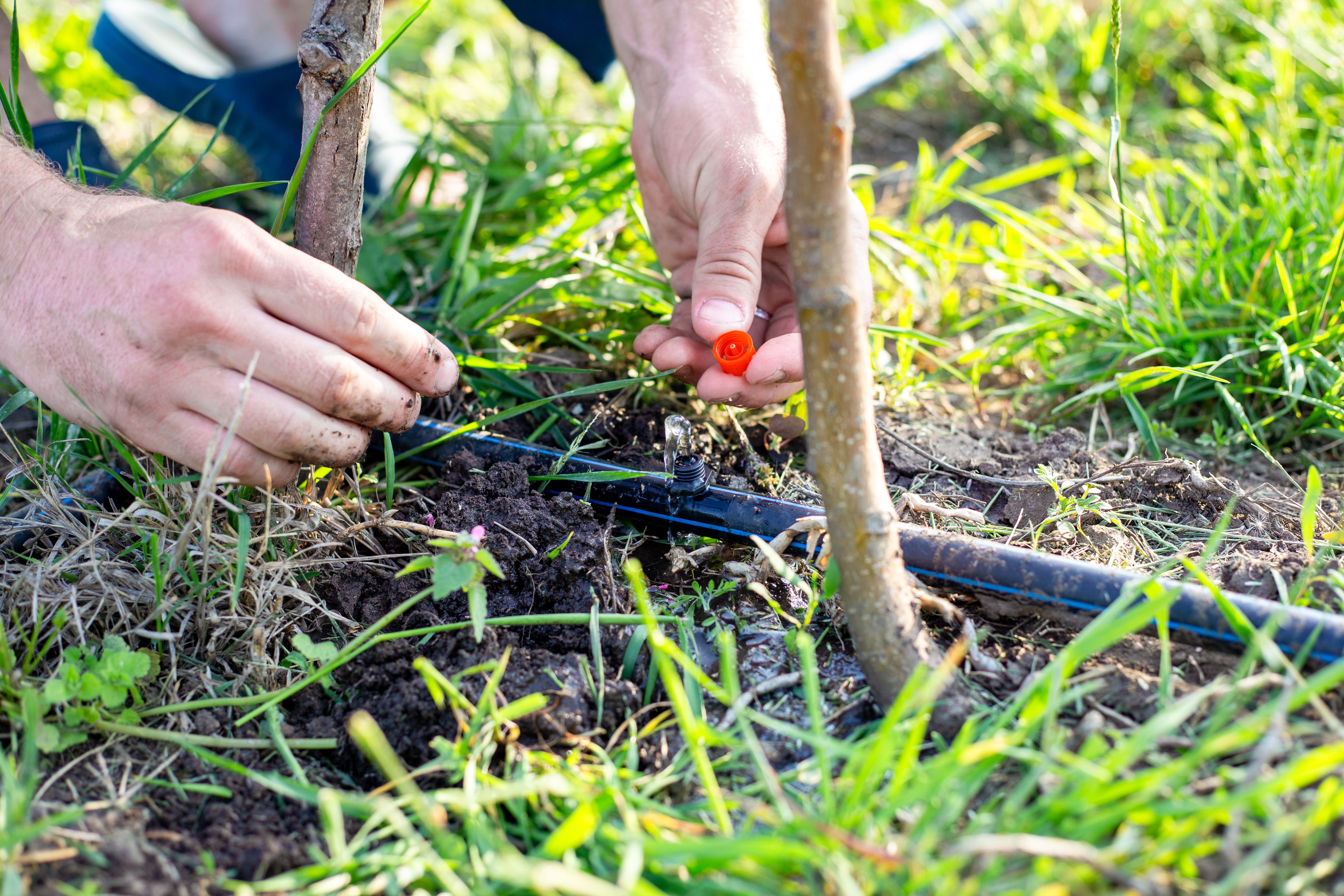
Even the best-designed irrigation system requires regular maintenance to function optimally. Schedule routine inspections to check for leaks, clogs, or any signs of wear and tear. Clean filters and nozzles regularly and adjust the system settings seasonally. Consistent maintenance will prolong the life of your system and ensure efficient operation.
Consider Landscaping Design
Your irrigation system should work in harmony with your landscaping design. Group plants with similar water needs together to optimize water usage. Consider xeriscaping in areas where water conservation is critical. This type of landscaping reduces or eliminates the need for supplemental water from irrigation.

Comply with Local Regulations
Before installation, familiarize yourself with any local regulations or restrictions regarding water usage and irrigation. Texas has specific guidelines that businesses must follow to ensure sustainable water practices. Compliance not only helps in conserving water but also avoids potential fines or penalties.
By following these essential tips, you can install an irrigation system that meets the needs of your Texas business while promoting sustainability and cost savings. A well-planned and maintained system will not only enhance the beauty of your landscape but also contribute to a more environmentally friendly operation.