
Expert Advice: Preparing Your Texas Landscape for Winter


Understanding the Texas Climate
Preparing your Texas landscape for winter requires a bit of understanding about the unique climate of the region. While Texas is known for its hot summers, winter conditions can vary greatly. From the mild winters in the southern parts to the more frigid temperatures in the north, knowing your specific area's climate is crucial. This understanding will help you choose the right strategies for protecting your plants and landscape.

Preparing Your Soil
Before winter sets in, it's essential to focus on your soil. Healthy soil will support your plants during the colder months and ensure a strong start in the spring. Begin by removing any dead plants and debris. This not only tidies up your garden but also prevents pests and diseases from taking hold.
Next, consider adding a layer of mulch. Mulching helps insulate the soil, keeping it warmer and preserving moisture. Choose organic mulches like shredded bark or straw to add nutrients back into the soil as they decompose. A layer of 2 to 3 inches is typically sufficient for most Texas landscapes.
Protecting Your Plants
When it comes to protecting your plants, knowing which ones are cold-sensitive is vital. Covering vulnerable plants with frost cloths or burlap can provide much-needed insulation. For trees and shrubs, consider wrapping the trunks with tree wrap to prevent frost cracks.

Watering is another crucial aspect. While overwatering can be harmful, ensuring your plants are well-hydrated before a freeze can protect them from cold damage. Water acts as an insulator, and moist soil retains more heat than dry soil. Aim to water early in the day to allow time for absorption before temperatures drop.
Lawn Care Tips
Don't forget about your lawn during the winter preparation process. Fertilizing your grass with a high-potassium blend can strengthen it against cold stress. Avoid heavy nitrogen fertilizers, as they encourage growth that can be damaged by frost. Aerating your lawn can also be beneficial, allowing roots to receive more oxygen and nutrients.
Pruning and Maintenance
Winter is an excellent time for pruning many types of shrubs and trees. Prune to remove dead or diseased branches, which can become more apparent once leaves have fallen. Proper pruning improves airflow and reduces the risk of diseases, helping your plants stay healthy throughout the winter.
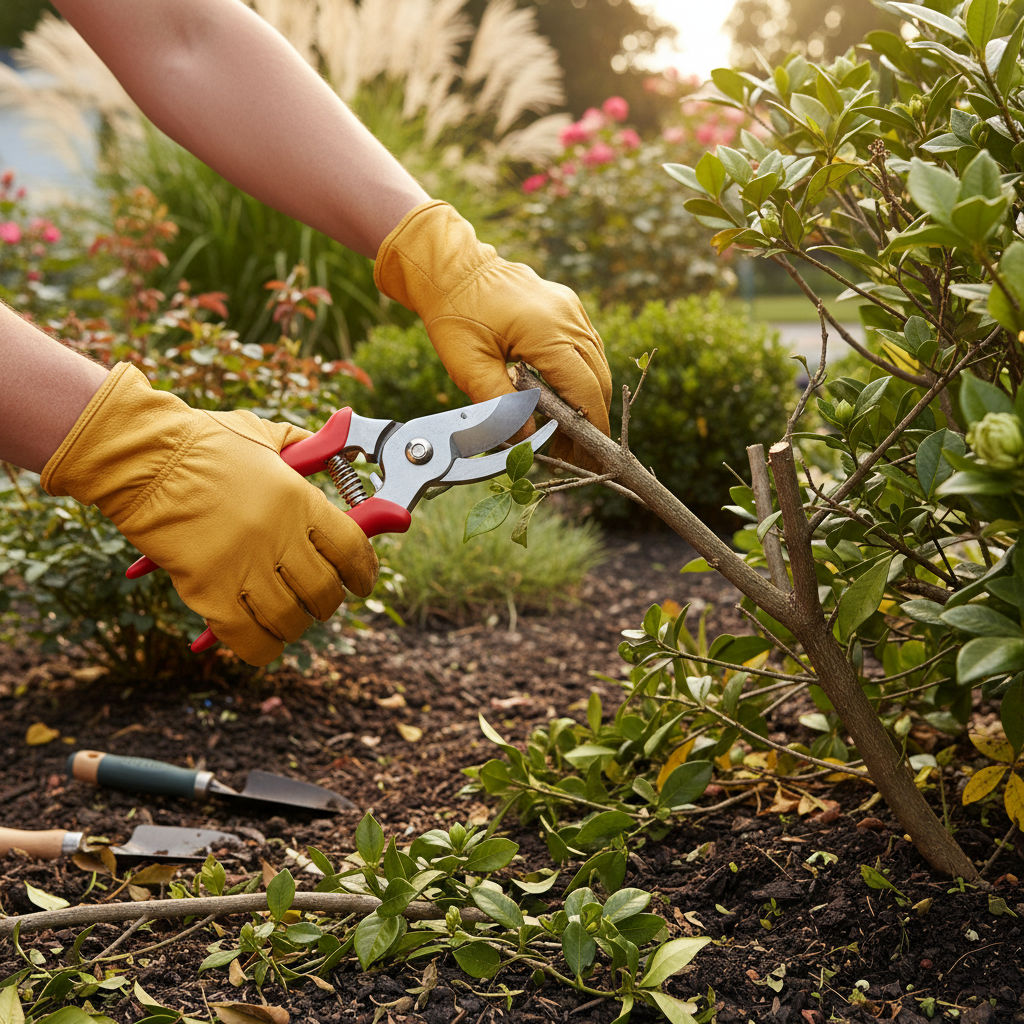
Regular maintenance, such as cleaning and storing garden tools, is also important. This ensures they're ready for use when spring arrives and reduces the risk of spreading diseases.
Planning for Spring
While winterizing your landscape, it's also a great opportunity to plan for the spring. Consider planting winter annuals like pansies or snapdragons for a burst of color. These hardy plants can withstand Texas winters and provide a beautiful transition into the warmer months.
By following these expert tips, you'll ensure your Texas landscape is well-prepared for winter, allowing it to thrive and flourish when spring returns.