
Expert Insights: Trends in Commercial Landscape Design


Embracing Sustainability in Commercial Landscape Design
As sustainability becomes a cornerstone of modern design, commercial landscape architects are increasingly incorporating eco-friendly practices. By prioritizing native plants, reducing water usage, and implementing green infrastructure, businesses are transforming open spaces into environmentally responsible havens.
One of the most significant trends is the use of native plants. These plants require less water, fertilizer, and maintenance, aligning perfectly with sustainable objectives. Additionally, they support local ecosystems by providing habitats for wildlife.

Technology-Driven Landscape Solutions
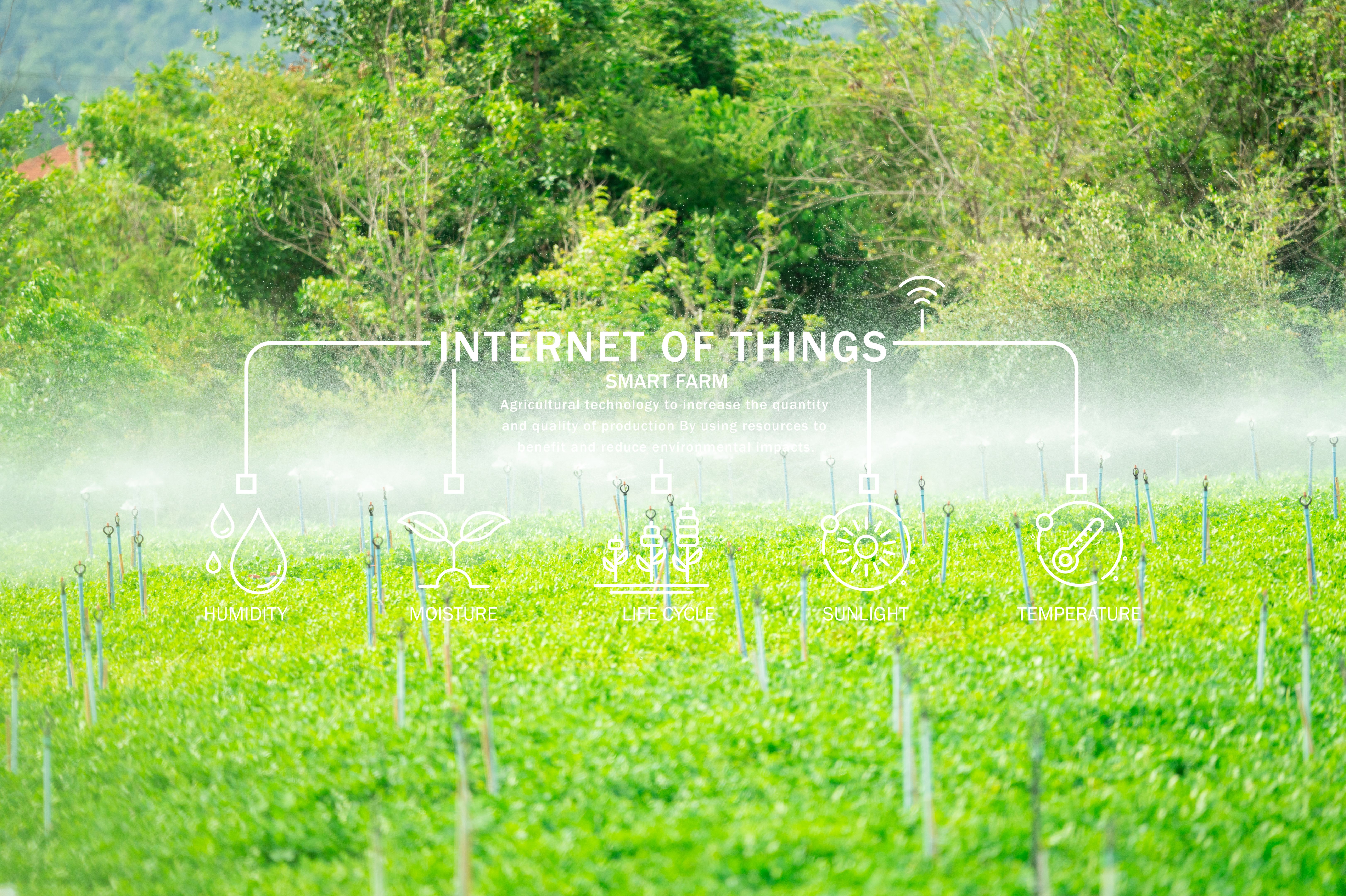
The integration of technology is revolutionizing commercial landscape design. Smart irrigation systems, for example, optimize water usage by monitoring weather conditions and soil moisture levels. This not only conserves water but also reduces costs for businesses.
Moreover, the use of drones and AI in landscape design is gaining traction. Drones can survey large areas quickly and accurately, while AI can analyze data to create efficient and aesthetically pleasing designs. These tech-driven solutions enable more precise planning and execution.
Creating Multi-Functional Spaces
Modern commercial landscapes are evolving beyond aesthetics to become multi-functional spaces. These areas are designed to accommodate a variety of activities, from relaxation to social interaction. By incorporating seating areas, walking paths, and outdoor meeting spaces, businesses create environments that enhance employee well-being and productivity.
Furthermore, incorporating art installations and interactive elements can transform landscapes into dynamic spaces that engage visitors and foster community connection.

Biophilic Design and Its Impact
Biophilic design, which emphasizes the connection between humans and nature, is gaining momentum in commercial landscapes. This approach focuses on integrating natural elements into built environments, enhancing the well-being of occupants.
Design elements such as green walls, water features, and natural lighting not only beautify spaces but also promote mental and physical health. These features are becoming a staple in modern commercial landscape design.

Adaptability and Resilience
As climate change continues to impact weather patterns, creating adaptable and resilient landscapes is crucial. Designers are focusing on solutions that withstand extreme conditions, such as drought-resistant plants and permeable surfaces that manage stormwater.
By anticipating future challenges and incorporating flexible designs, commercial landscapes can remain functional and attractive, regardless of environmental changes.

Conclusion
Trends in commercial landscape design are reflecting a broader commitment to sustainability, innovation, and adaptability. By embracing these trends, businesses not only enhance their properties but also contribute positively to the environment and community.
As these trends continue to evolve, commercial landscapes will undoubtedly become more vital, enriching the urban experience for everyone.