
How to Choose the Right Irrigation System for Your Business in Texas


Understanding Your Water Needs
Choosing the right irrigation system for your business in Texas starts with understanding your specific water needs. The climate in Texas can vary greatly, so it's important to consider factors such as average rainfall, temperature, and the types of plants or crops you are growing. Conducting a thorough analysis of these elements will help you determine the amount of water required for optimal growth.
Consider the size of your landscape or farmland. Larger areas may require more extensive systems, while smaller plots could benefit from simpler solutions. Additionally, the type of soil you have will affect water retention and distribution.
Types of Irrigation Systems
There are several types of irrigation systems available, each with its own advantages and disadvantages. The most common systems include:
- Sprinkler Systems: Ideal for large areas, these systems distribute water evenly across the landscape.
- Drip Irrigation: Perfect for precise watering, this method delivers water directly to the roots of plants, minimizing waste.
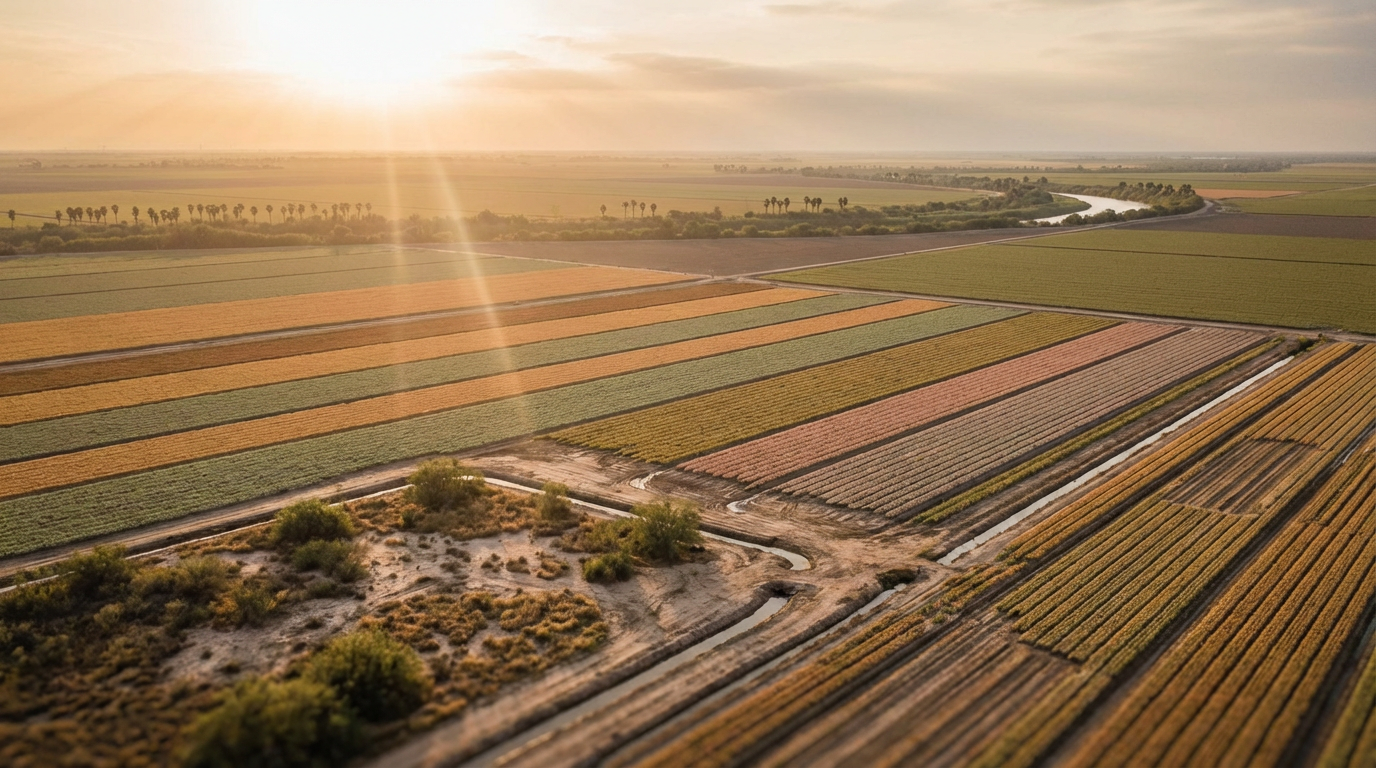
- Surface Irrigation: A traditional method where water flows over the soil by gravity, suitable for flat terrains.
Choosing the right system depends on your specific needs and the characteristics of your land.
Cost Considerations
Budgeting is a crucial part of selecting an irrigation system. While some systems may have a higher upfront cost, they can save money in the long run through water conservation and reduced labor. Consider the maintenance costs associated with each system as well. Drip systems, for example, may require more frequent maintenance but can offer significant savings on water bills.
Regulatory Compliance
Before installing an irrigation system, it's important to familiarize yourself with local regulations and water usage restrictions in Texas. Different regions may have specific guidelines that must be followed, especially during times of drought. Ensuring compliance not only avoids potential fines but also promotes sustainable water use.
Consulting with local authorities or a professional irrigation consultant can provide valuable insights into the regulatory landscape.

Technology and Innovation
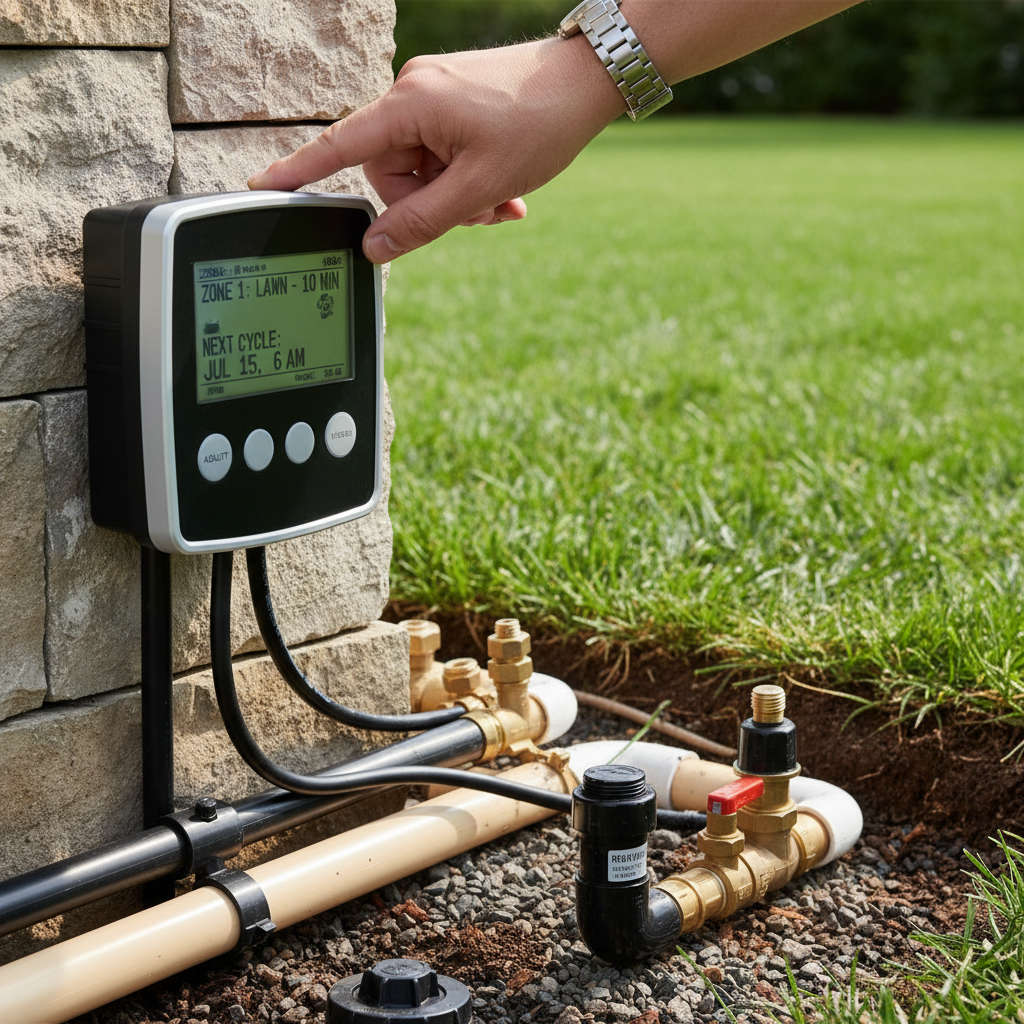
Modern irrigation systems offer a range of technological advancements that can enhance efficiency and convenience. Smart irrigation controllers, for instance, allow you to automate watering schedules and adjust them based on weather conditions.
Investing in technology can lead to better water management and potentially lower operational costs. Many systems now integrate with mobile apps, providing real-time data and remote control capabilities.
Consulting with Experts
Choosing the right irrigation system can be complex, and consulting with experts can provide clarity and confidence in your decision. Professional irrigation consultants offer tailored solutions based on your unique needs and conditions.
These experts can also assist with installation and maintenance, ensuring that your system operates at peak efficiency.
Evaluating System Performance
Once your irrigation system is installed, regular evaluation is essential to ensure it meets your business needs. Monitor the system's performance, check for leaks or blockages, and make necessary adjustments to optimize water usage.
Regular maintenance not only prolongs the life of your system but also enhances its effectiveness, contributing to healthier crops and landscapes.