
How to Design a Commercial Garden That Stands Out


Understanding Your Space
Designing a commercial garden that truly stands out requires a deep understanding of the space you have to work with. Start by analyzing the area’s size, shape, and existing features. Consider the light exposure and soil type, as these will influence the selection of plants. Understanding these elements is crucial for creating a cohesive and functional design.
Take note of the surrounding environment and architecture. A garden’s design should complement the existing structures and natural surroundings. This harmony will not only enhance the garden’s beauty but also create a seamless integration with its environment.
Planning and Layout
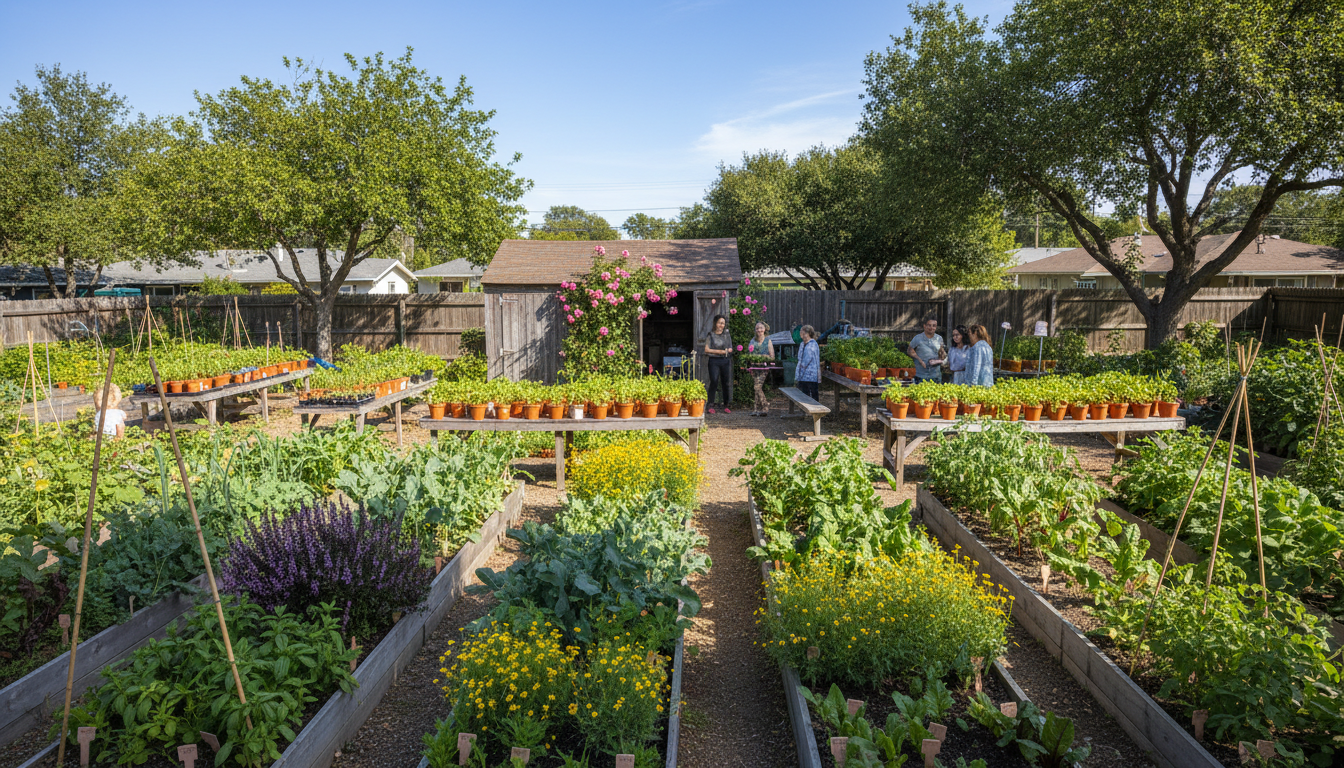
Once you understand the space, the next step is to plan and layout the garden. Define the purpose of the garden: is it for relaxation, entertainment, or visual appeal? This will guide your design choices. Consider incorporating different zones for various activities to maximize the garden’s utility.
Use pathways to guide visitors through the garden, creating a journey that showcases the garden’s features. The paths can also serve as a functional element, directing foot traffic and protecting delicate plants. Curved paths can add a sense of mystery, while straight paths provide a formal look.
Selecting Plants and Features
The choice of plants is a critical aspect of a standout garden. Select a mix of perennial and annual plants for year-round interest. Opt for native plants as they are more likely to thrive and require less maintenance. Consider the color, texture, and height of plants to create depth and visual interest.
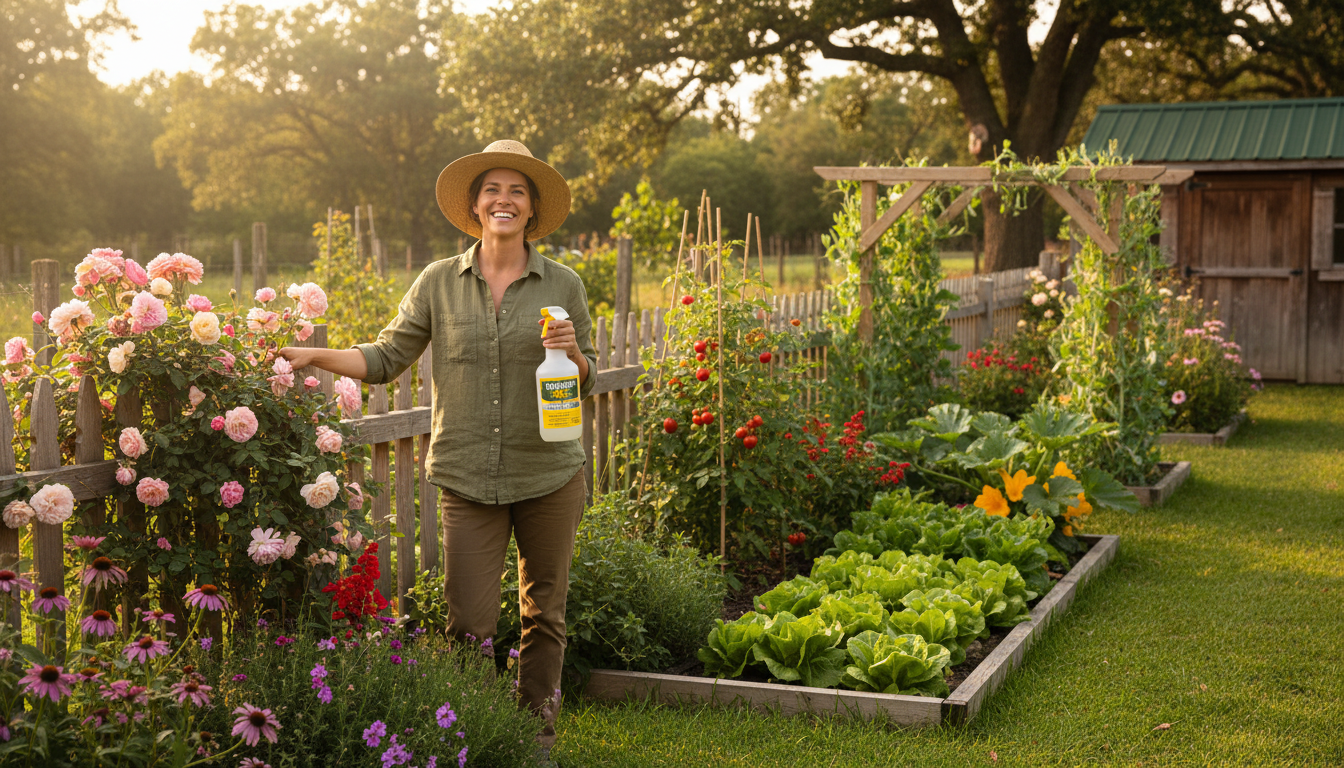
Incorporate features such as fountains, sculptures, or benches to add character and provide focal points. These elements can also serve practical purposes, such as seating or providing soothing sounds with water features. The key is to balance these features with the natural elements of the garden.
Incorporating Sustainable Practices
Sustainability is increasingly important in garden design. Implementing eco-friendly practices not only benefits the environment but also enhances the garden’s appeal to environmentally conscious visitors. Consider rainwater harvesting systems and solar lighting to reduce the garden’s carbon footprint.
Use organic mulches and compost to improve soil health and reduce the need for chemical fertilizers. Planting drought-resistant species can also minimize water usage. These practices create a sustainable and resilient garden that can withstand changing climate conditions.
Maintenance and Upkeep
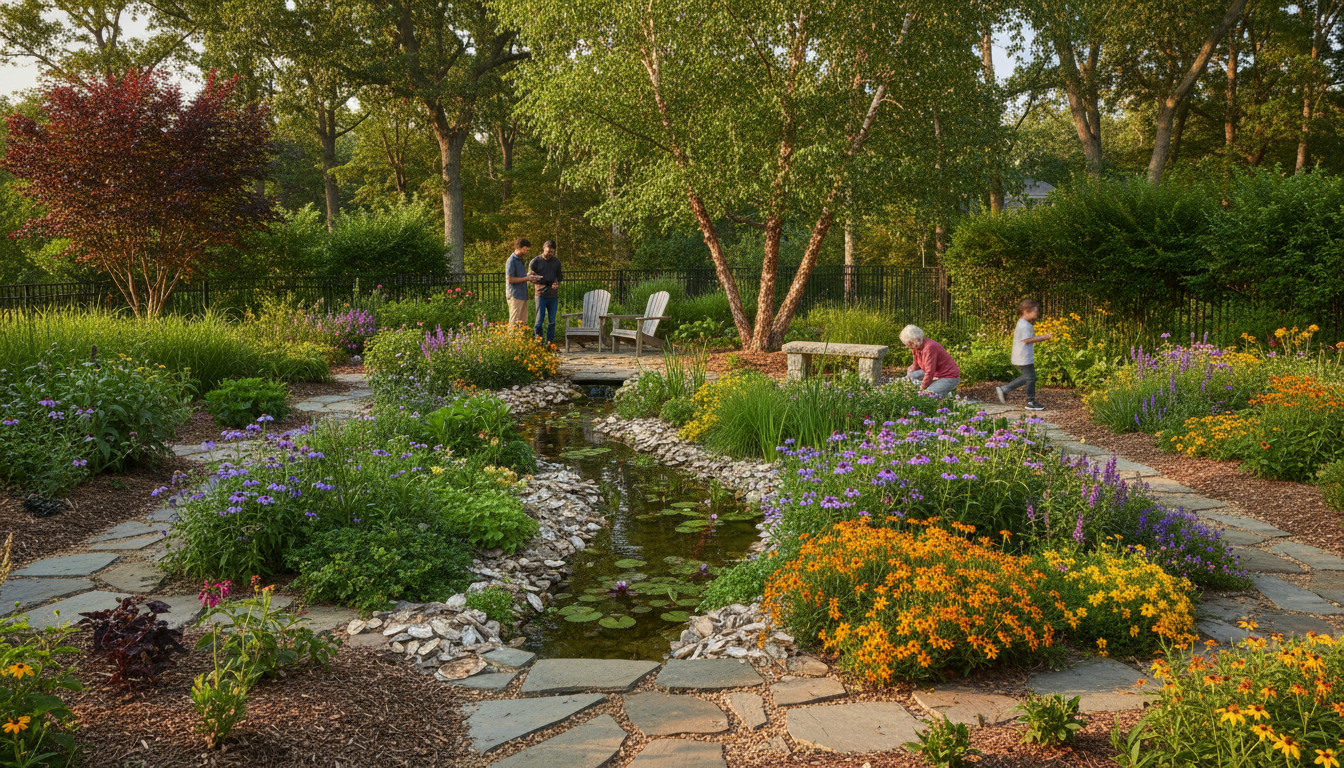
A well-designed garden requires regular maintenance to keep it looking its best. Establish a maintenance schedule that includes tasks like pruning, weeding, and fertilizing. Automated irrigation systems can help reduce the workload while ensuring plants receive adequate water.
Regularly inspect the garden for pests and diseases to address any issues promptly. Seasonal changes will also dictate certain tasks, such as leaf removal in the fall or plant protection in the winter. Consistent care will ensure the garden remains a vibrant and attractive space year-round.
Conclusion
Creating a commercial garden that stands out involves thoughtful planning, design, and maintenance. By understanding the space, selecting the right plants and features, incorporating sustainable practices, and committing to regular upkeep, you can design a garden that captivates and delights visitors.
Whether your goal is to create a peaceful retreat or an engaging social space, a well-designed garden can enhance the overall experience for anyone who visits. By following these guidelines, you’ll be on your way to crafting a truly exceptional commercial garden.