
How to Prepare Your Commercial Landscape for the Texas Heat


Understanding the Challenges of Texas Heat
The Texas heat can be relentless, posing unique challenges for commercial landscapes. High temperatures and extended periods of drought can stress plants, leading to a less-than-appealing outdoor space. To keep your commercial landscape thriving, proactive preparation is key.
Understanding the specific demands of your landscape during the hottest months will help you make informed decisions. From selecting the right plants to adjusting your irrigation system, each step you take can make a significant difference.

Selecting Heat-Resistant Plants
One of the most effective strategies for managing the Texas heat is to choose plants that are naturally drought and heat-tolerant. Native plants are often the best choice, as they are inherently adapted to local climate conditions.
Consider incorporating these plant types into your commercial landscape:
- Sedums: These succulents are drought-tolerant and come in a variety of colors and textures.
- Lantanas: Known for their vibrant blooms, lantanas thrive in full sun and dry soil.
- Texas Sage: A hardy shrub that can withstand the harshest conditions.
Optimizing Your Irrigation System
Proper irrigation is crucial during the summer months. An efficient irrigation system can prevent water waste while ensuring your plants receive the moisture they need. Consider implementing a drip irrigation system, which delivers water directly to the plant roots and minimizes evaporation.
Additionally, adjusting your watering schedule to early morning or late evening can reduce water loss due to evaporation and ensure that your landscape remains lush and vibrant.

Applying Mulch for Moisture Retention
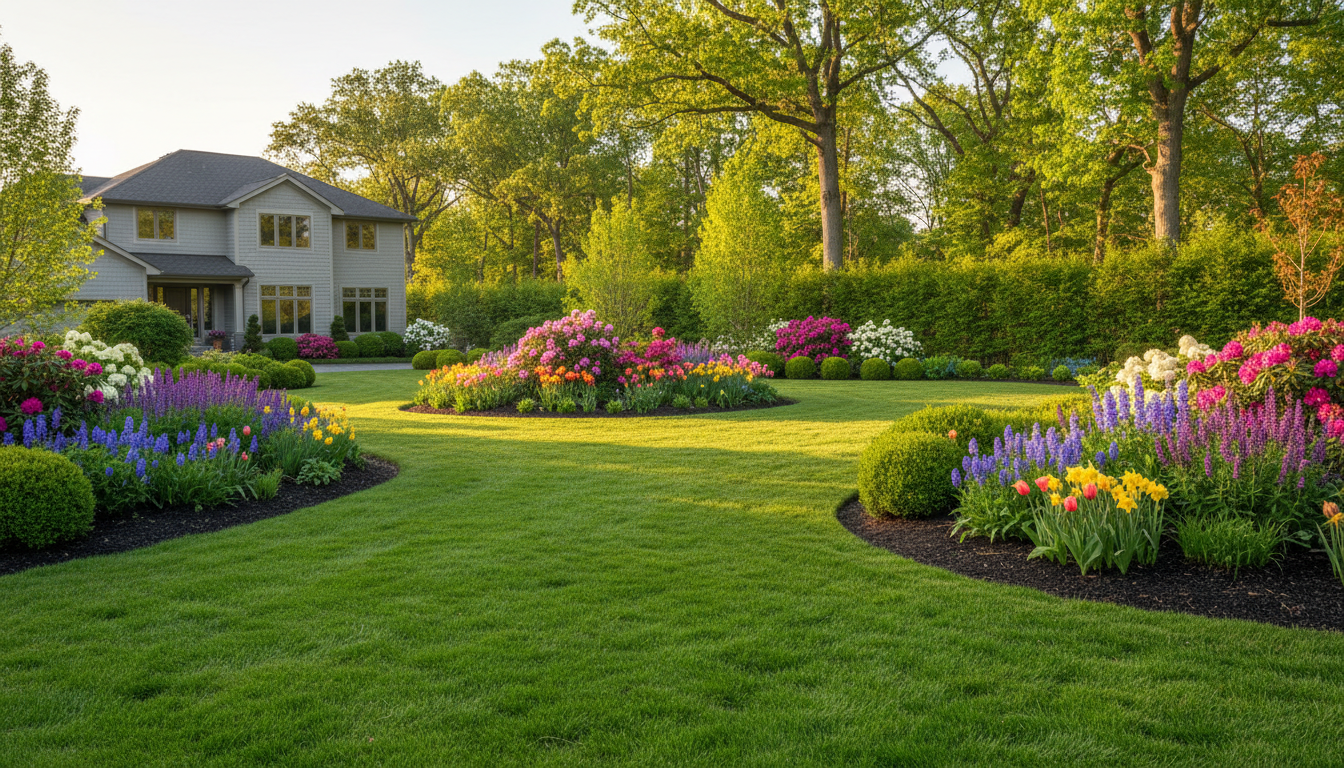
Mulch is an excellent tool for conserving moisture in the soil. By adding a layer of mulch around your plants, you can help retain soil moisture, reduce temperature fluctuations, and suppress weeds.
Choose organic mulch materials like wood chips or bark, which will break down over time and add nutrients to the soil. Apply a 2-3 inch layer to maximize its benefits.
Regular Maintenance and Monitoring
Routine maintenance is essential for any commercial landscape, especially during the heat of a Texas summer. Regularly check your plants for signs of stress, such as wilting or discoloration, and take action promptly.
Pruning is also vital to remove dead or diseased branches, allowing for better air circulation and reducing the risk of pest infestations.
Implementing Shade Solutions
Providing shade can significantly reduce stress on your plants. Consider installing shade sails or pergolas in areas where direct sunlight is intense. These structures not only protect plants but also create inviting spaces for visitors and employees.
Natural shade solutions, like planting trees strategically, can offer long-term benefits by lowering ambient temperatures and providing cooling relief.
Preparing for Unexpected Weather
While Texas is known for its heat, sudden storms can occur. Ensure that your landscape is prepared for unexpected weather by reinforcing structures and securing loose items. Proper drainage systems will also help manage excess water during heavy rains, preventing erosion and plant damage.
By taking these steps, you can ensure that your commercial landscape remains resilient and attractive throughout the challenging summer months.