
Innovative Corporate Garden Designs: Transforming Workspaces with Greenery


The Rise of Corporate Gardens
In today's fast-paced business world, companies are constantly seeking new ways to enhance productivity and employee satisfaction. One emerging trend is the integration of corporate gardens into workspaces. These lush, green havens are transforming traditional office environments, offering a refreshing escape from the concrete jungle.
Corporate gardens come in various forms, from rooftop oases to indoor vertical green walls. They provide not only aesthetic value but also numerous health benefits, such as reducing stress and improving air quality. Companies are beginning to realize that investing in greenery is not just an environmental gesture but a strategic business move.
Benefits of Green Workspaces
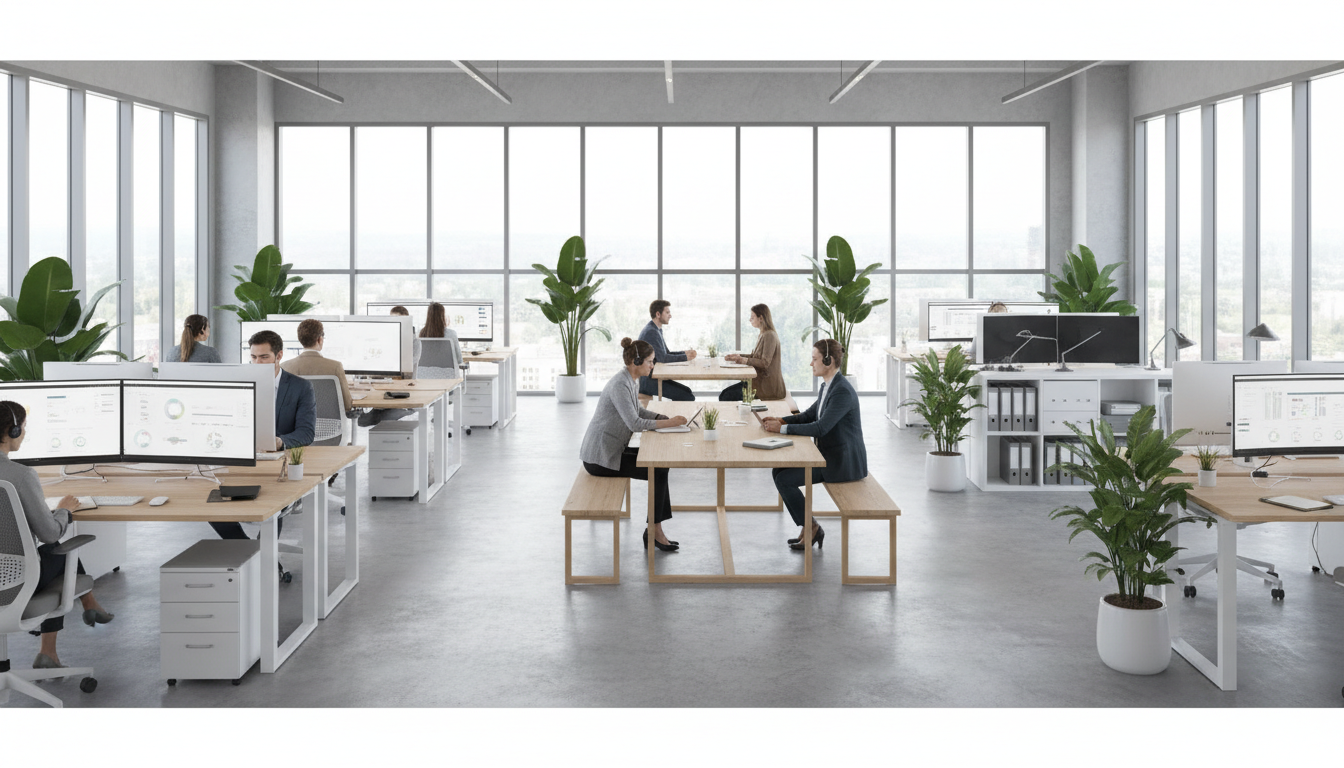
Introducing greenery into the workplace has a profound impact on employee well-being. Studies have shown that access to natural elements can increase creativity and concentration, ultimately boosting productivity. Employees report feeling more relaxed and motivated when surrounded by plants.
Moreover, corporate gardens can enhance collaboration among team members. These serene spaces serve as excellent venues for informal meetings and brainstorming sessions, fostering a sense of community and connection.
Designing Innovative Corporate Gardens
Creating a corporate garden requires thoughtful planning and design. The key is to tailor the garden to the specific needs of the company and its employees. Here are some innovative design ideas:
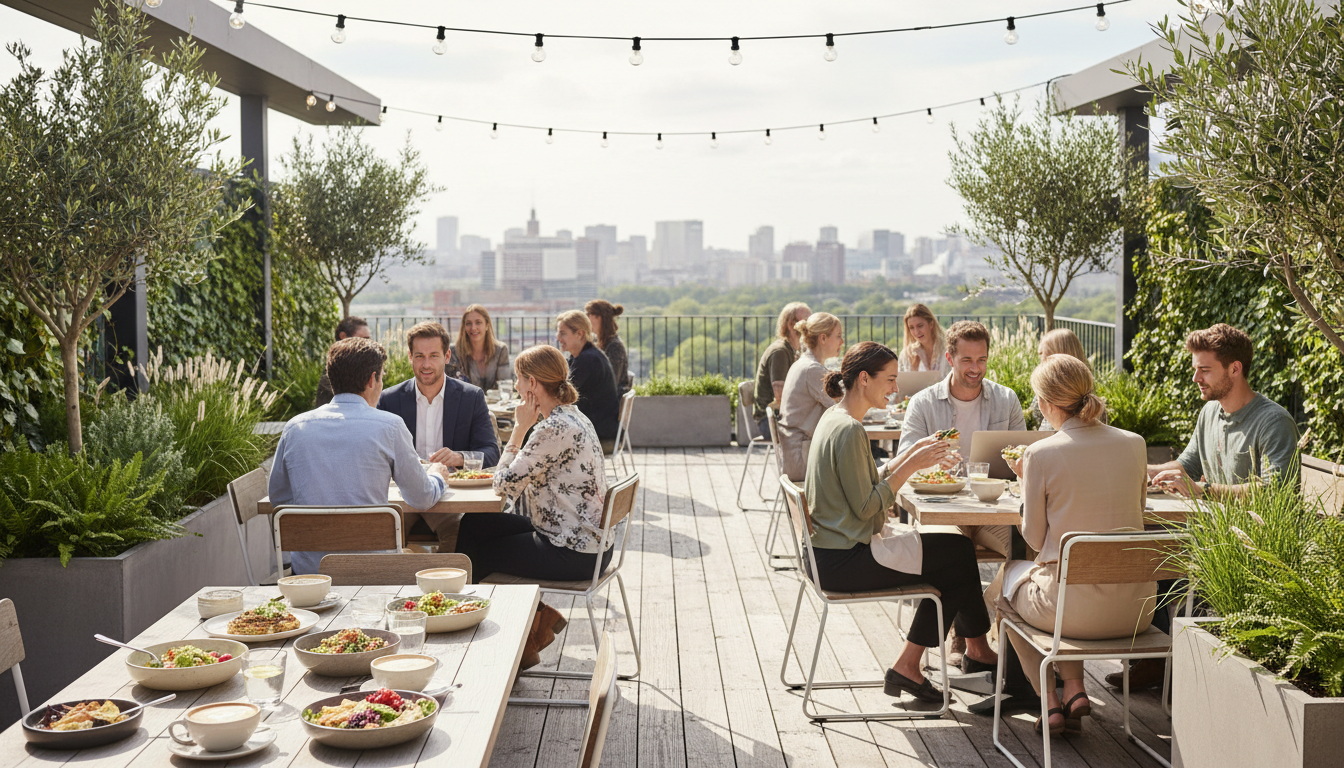
- Rooftop Gardens: Utilize unused rooftop space to create a tranquil retreat with panoramic views.
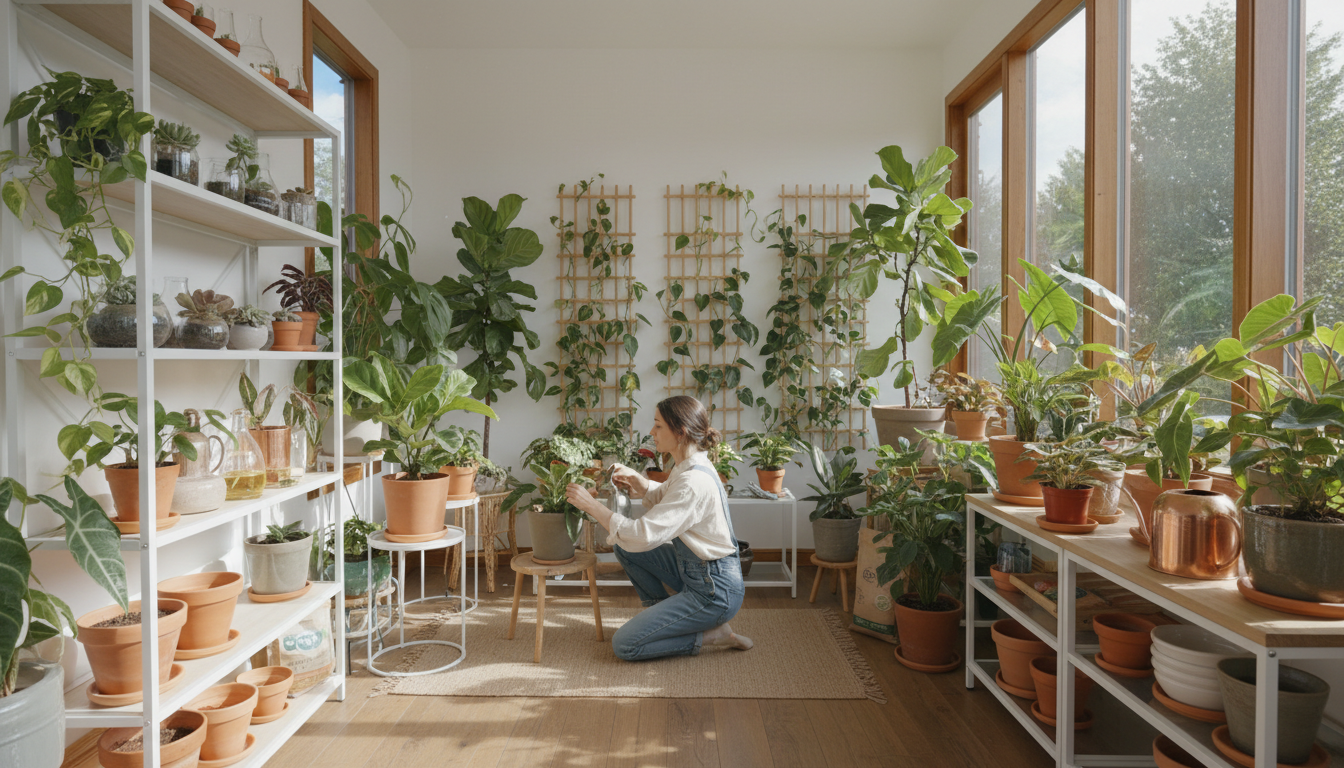
- Indoor Green Walls: Install vertical gardens to maximize greenery in limited spaces.
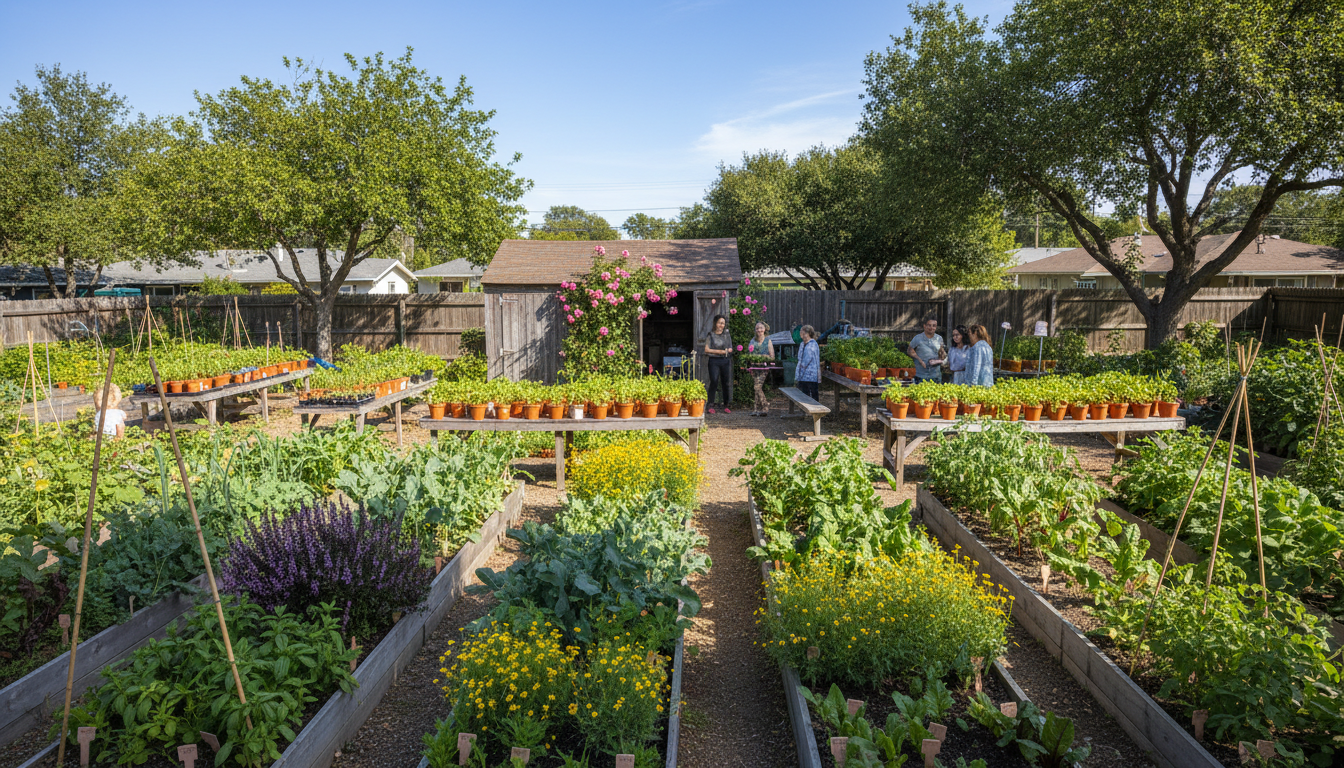
- Community Vegetable Gardens: Encourage sustainability by allowing employees to grow their own produce.
Implementing Sustainable Practices
Incorporating sustainable practices is crucial for the success of corporate gardens. This includes selecting native plants that require minimal maintenance and water. Additionally, using recycled materials for planters and furniture can further enhance the eco-friendly aspect of the garden.
Companies can also implement rainwater harvesting systems to reduce water usage and promote sustainability. By prioritizing eco-friendly practices, businesses can demonstrate their commitment to environmental responsibility.
Measuring the Impact
It's essential to measure the impact of corporate gardens to understand their value fully. Companies can track employee satisfaction and productivity levels before and after the garden's implementation. Additionally, monitoring air quality and energy usage can provide insights into the garden's environmental benefits.
Regular feedback from employees can help in refining the design and functionality of the garden, ensuring it continues to meet the evolving needs of the workforce.
Conclusion
Innovative corporate garden designs are revolutionizing workspaces around the globe. By integrating greenery into office environments, companies can enhance employee well-being, foster collaboration, and demonstrate a commitment to sustainability. As more businesses embrace this trend, the corporate garden is poised to become a staple in modern office design.