
Preparing Your Commercial Landscape for Seasonal Changes in Texas


Understanding Texas Seasonal Changes
In Texas, the climate can be unpredictable, with scorching summers and mild winters. These unique conditions require thoughtful planning to ensure your commercial landscape remains vibrant and healthy throughout the year. Preparing your landscape for seasonal changes is not only about aesthetics but also about maintaining the overall health of your plants and greenery.
The transition between seasons in Texas can be abrupt, making it essential to anticipate changes and act proactively. By understanding the specific needs of your landscape, you can implement strategies to protect and enhance its beauty.
Assessing Your Commercial Landscape
Before making any changes, it's crucial to assess your current landscape. This involves taking a detailed inventory of your plants, trees, and other greenery. Identify any plants that may be struggling or not well-suited for the upcoming season. This assessment will help you make informed decisions about what to keep, remove, or replace.
Consider factors such as soil quality, irrigation systems, and the overall design of your landscape. A thorough evaluation will guide you in making adjustments that align with the seasonal shifts.
Soil and Irrigation
Soil health is a fundamental aspect of landscape maintenance. Conduct soil tests to determine nutrient levels and pH balance, ensuring they meet the needs of your plants. Adjustments, such as adding fertilizers, may be necessary to enhance soil quality.
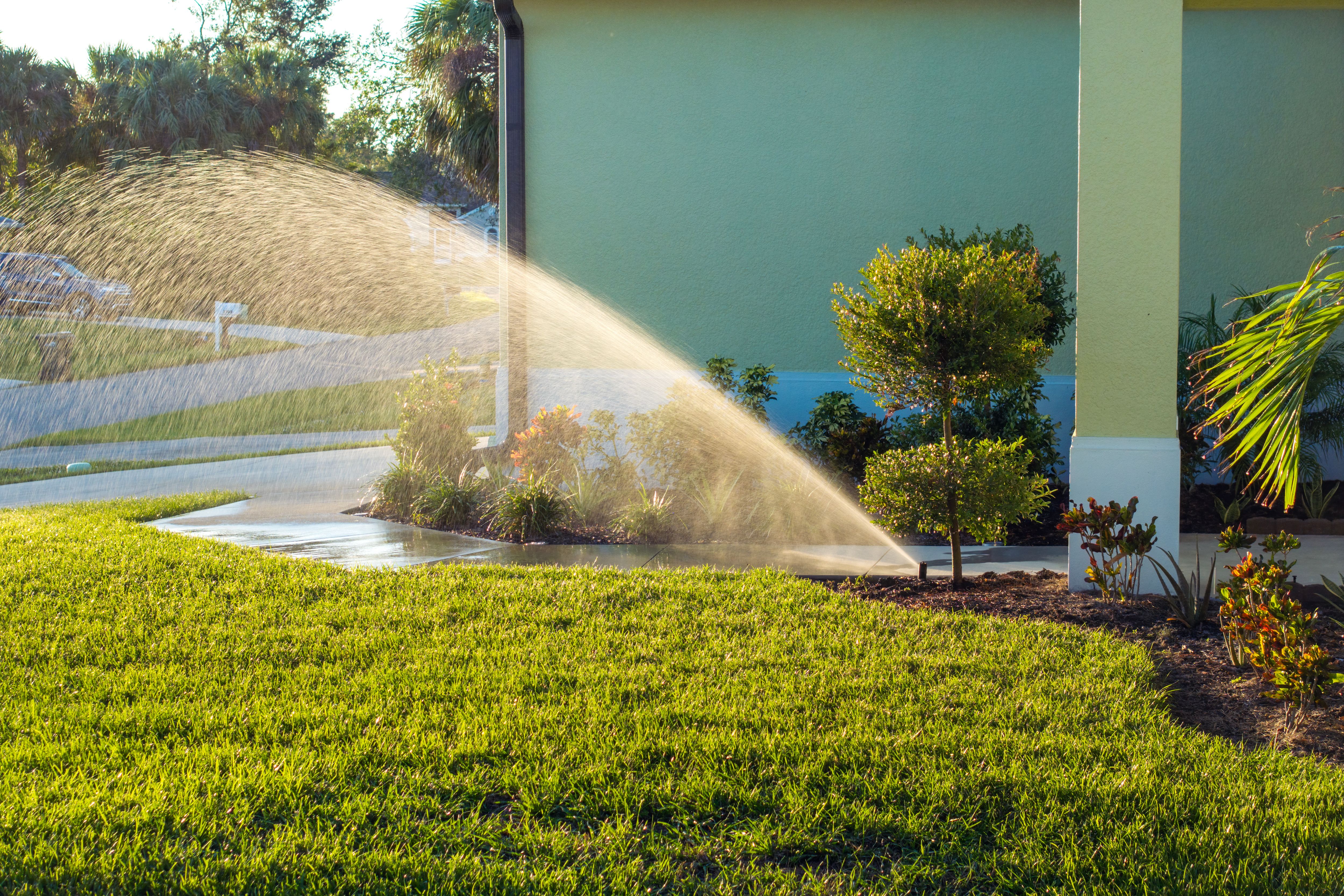
Additionally, review your irrigation systems. Efficient water management is crucial, especially during the hot Texas summers. Ensure that your sprinkler systems are functioning correctly and consider implementing drip irrigation to conserve water.
Choosing the Right Plants
Seasonal changes call for the right selection of plants that can thrive in varying weather conditions. Opt for native Texas plants that are accustomed to the local climate. These plants are more resilient and require less maintenance, making them ideal for commercial landscapes.
Planting Strategies
When selecting plants, consider their bloom cycles and color schemes to ensure a visually appealing landscape throughout the year. Incorporate a mix of perennials and annuals to maintain year-round interest. Additionally, pay attention to the spacing and arrangement of plants to promote healthy growth and reduce competition for resources.
Maintaining Your Landscape
Regular maintenance is key to keeping your landscape in top condition. This includes routine tasks such as pruning, mulching, and pest control. Pruning helps to remove dead or diseased branches, promoting new growth and preventing damage during storms.
Mulching is beneficial for retaining moisture and regulating soil temperature. It also helps to suppress weed growth, reducing competition for nutrients. Implementing a pest management plan can prevent infestations that may damage your plants.
Seasonal Adjustments
As seasons change, adjust your maintenance routines accordingly. For example, reduce watering during cooler months and increase it during the hotter periods. Stay informed about local weather forecasts to anticipate extreme conditions and take preventive measures.
By being proactive and attentive to your commercial landscape's needs, you can ensure it remains a welcoming and attractive space regardless of the season. With the right preparation and maintenance strategies, your landscape will thrive in the dynamic Texas climate.