
Preparing Your Texas Property for Seasonal Changes: A Landscape Guide


Understanding the Texas Climate
Texas is known for its diverse climate, which can range from arid in the west to humid in the east. This variability makes it essential for property owners to prepare their landscapes for seasonal changes. Understanding your specific region's climate is the first step in ensuring your property's landscape remains healthy and vibrant year-round.

Assessing Your Landscape Needs
Before making any changes, assess your current landscape. Determine which plants and trees thrive in your area and identify any that may struggle with seasonal transitions. Consider soil conditions, sunlight exposure, and water availability, as these factors will influence your landscape's resilience.
Seasonal Plant Selection
Choosing the right plants for each season is crucial. In spring, opt for native wildflowers and drought-resistant plants that can handle the Texas heat. For fall, consider planting trees and shrubs that offer vibrant foliage and can endure cooler temperatures.
Watering Strategies
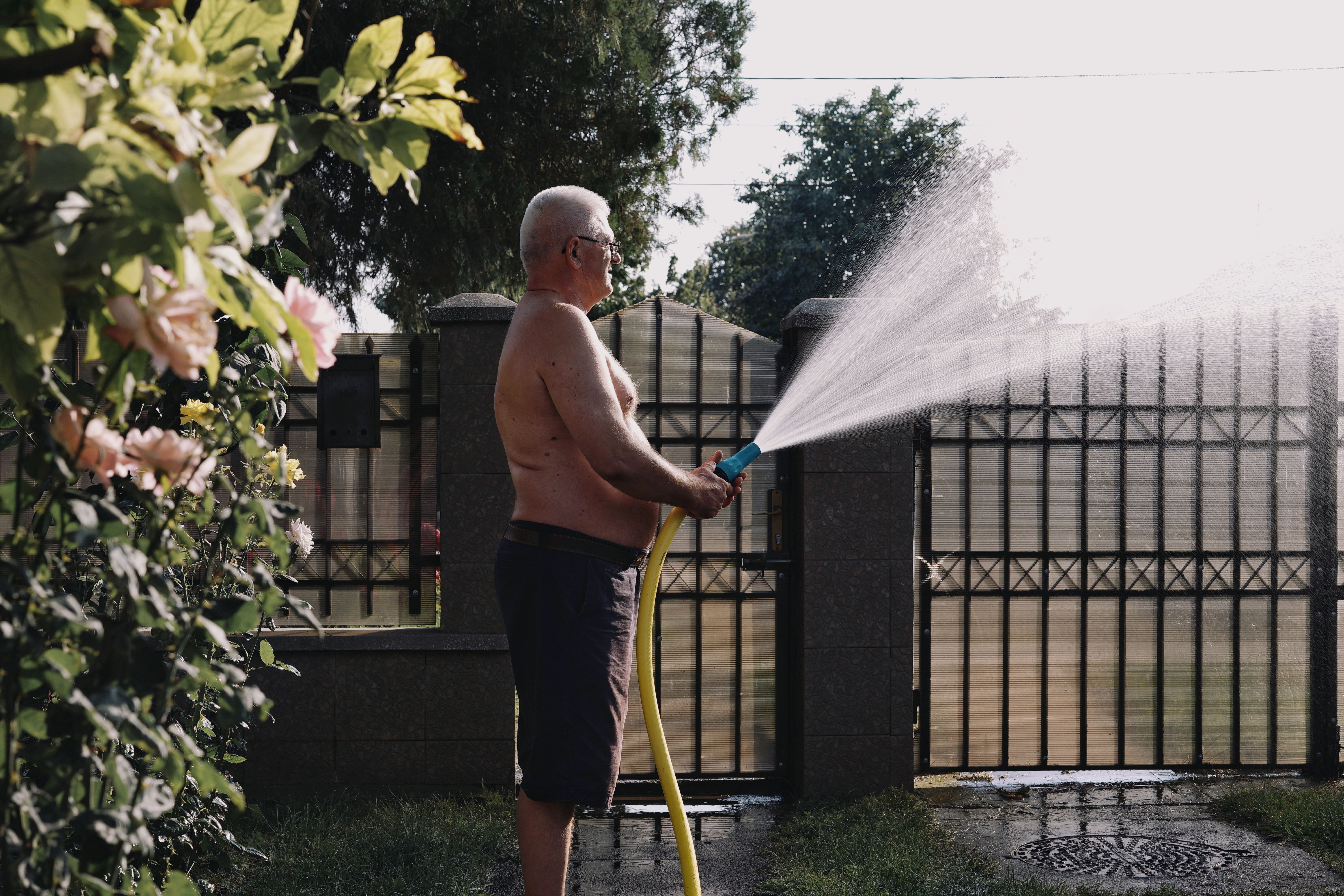
Water management is vital in Texas, where droughts can be common. Implement a strategic watering schedule that aligns with seasonal needs. During hotter months, water deeply but less frequently to promote root growth, while in cooler months, reduce watering to prevent over-saturation.
Efficient Irrigation Systems
Investing in an efficient irrigation system can save water and ensure even distribution across your property. Consider drip irrigation or smart irrigation controllers that adjust to weather conditions and soil moisture levels. These systems not only conserve water but also maintain optimal plant health.
Soil Health and Maintenance
Maintaining healthy soil is fundamental for a thriving landscape. Regularly test your soil to determine nutrient levels and pH balance. Amend the soil with organic matter, such as compost, to improve its structure and fertility, especially before planting new vegetation.
Mulching Benefits
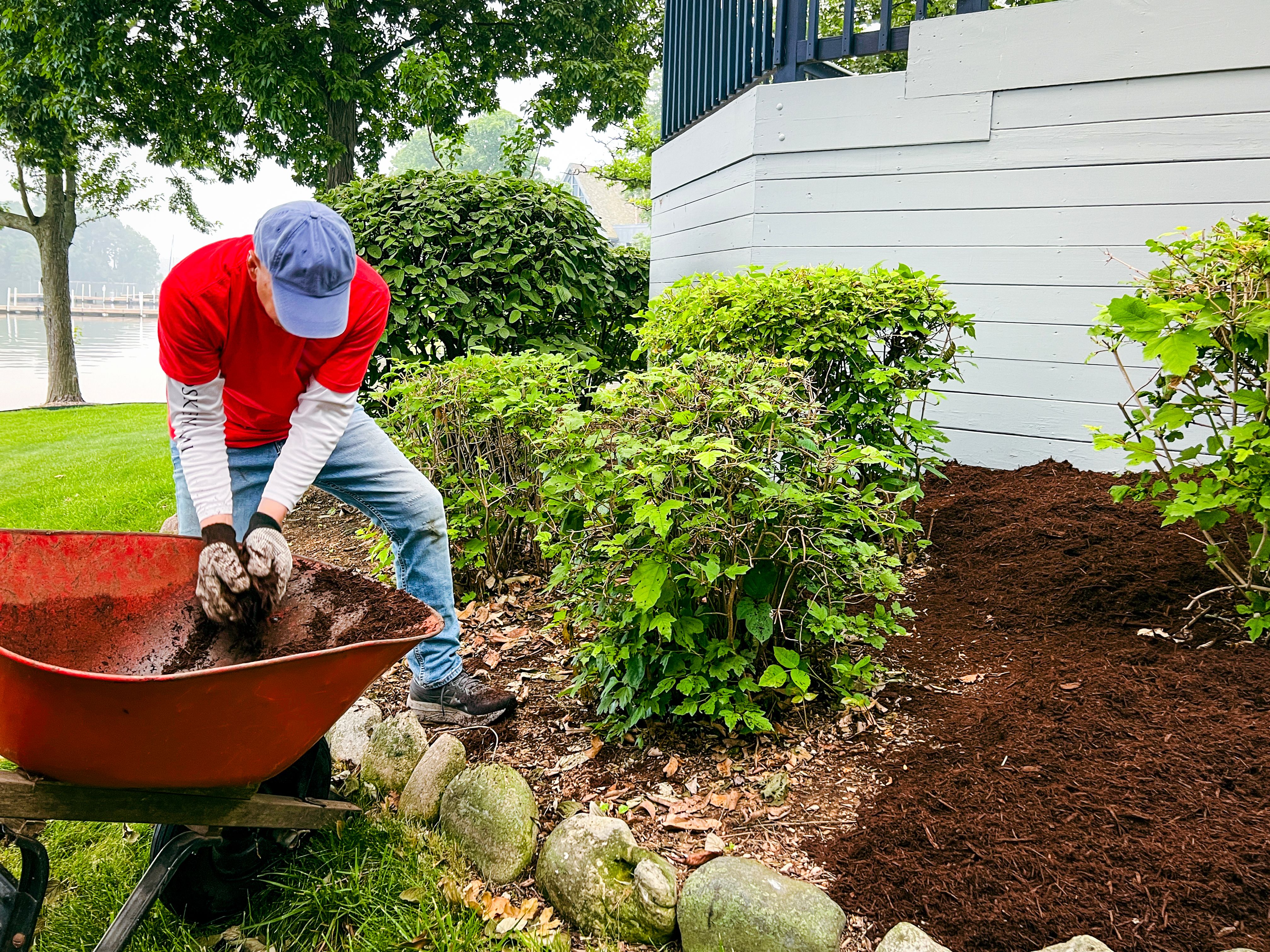
Mulching is an effective way to retain soil moisture, suppress weeds, and regulate soil temperature. Apply a layer of organic mulch around trees and plants to protect their roots and enhance their growth, particularly during extreme weather conditions.
Pest and Disease Management
Seasonal changes can bring about pests and diseases that affect plant health. Regularly inspect your landscape for signs of infestation or disease, such as discolored leaves or stunted growth. Implement integrated pest management practices to address these issues without harming beneficial insects.
Attracting Beneficial Wildlife
Encourage beneficial wildlife, like birds and pollinators, to visit your garden. Planting a variety of flowering plants and installing bird feeders can create a balanced ecosystem that naturally controls pests and supports plant pollination.
Preparing for Extreme Weather
Texas is prone to extreme weather events, from intense heatwaves to sudden cold snaps. Protect young and vulnerable plants with frost cloths or shade structures. Prune dead or weak branches to prevent storm damage and ensure your landscape can withstand harsh conditions.

By following these guidelines, you can create a resilient and beautiful Texas landscape that thrives through every season. Thoughtful preparation and maintenance not only enhance your property's aesthetic appeal but also contribute to the local environment's health and sustainability.