
The Ultimate Guide to Seasonal Landscaping in Texas


Understanding the Texas Climate
When it comes to landscaping in Texas, it's essential to understand the unique climate conditions. With its diverse regions, Texas experiences a variety of weather patterns, making it crucial for homeowners to tailor their landscaping efforts accordingly. Generally, Texas has hot summers and mild winters, but specific areas like West Texas can experience more extreme conditions.
Being aware of your local climate zone can help you choose the right plants that will thrive throughout the year. The state is divided into zones ranging from 6 to 9, so make sure to check which zone you are in before selecting plants.
Spring Landscaping Tips
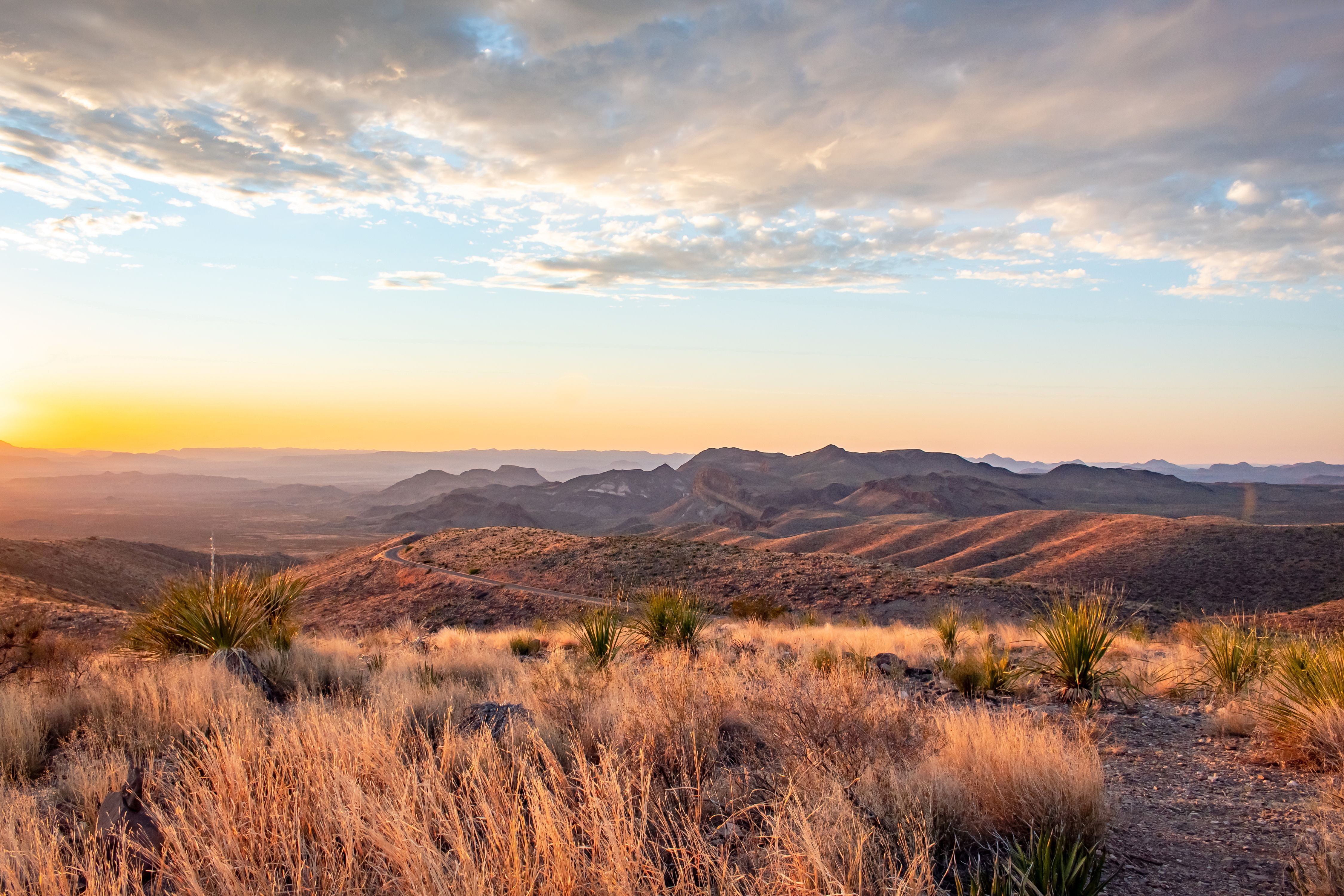
Spring is an ideal time to rejuvenate your garden. As temperatures begin to rise, focus on cleaning up winter debris and preparing your soil. Start by trimming dead branches and removing any fallen leaves. This will help prevent pests and diseases.
Consider adding a layer of mulch to retain moisture and regulate soil temperature. It's also a great time to plant perennials and annuals that can handle the unpredictable spring weather. Look for native Texas plants such as bluebonnets and Indian paintbrushes for a stunning display.
Summer Strategies
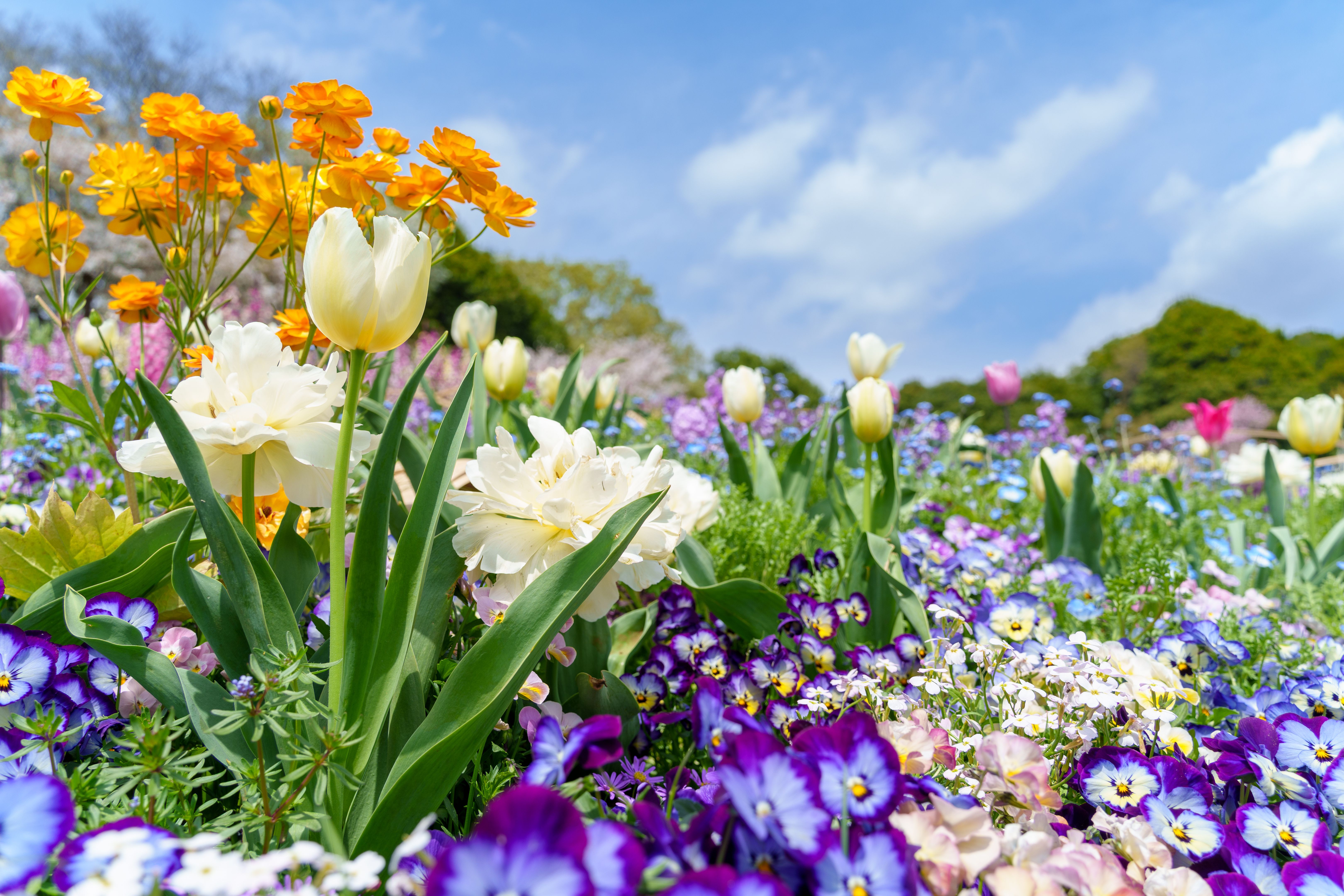
With the Texas heat, summer landscaping requires some careful planning. Prioritize drought-tolerant plants that can withstand high temperatures. Succulents, yucca, and cacti are excellent choices for adding texture and color without the need for constant watering.
Implementing efficient irrigation systems, like drip irrigation, can conserve water while ensuring your plants receive adequate hydration. Additionally, consider creating shaded areas with pergolas or trees to protect delicate plants from the scorching sun.
Fall Preparation
Fall is the perfect time to prepare your garden for the cooler months ahead. Start by aerating your lawn to improve air and nutrient circulation. This will help your grass recover from the summer stress and prepare for winter dormancy.
Plant fall-blooming flowers like asters and chrysanthemums to maintain color in your landscape. Additionally, consider planting trees and shrubs now, as the cooler temperatures provide optimal conditions for root development.
Winter Maintenance
While winters in Texas are mild, it's still important to protect your garden from occasional cold snaps. Covering sensitive plants with frost cloths can prevent damage on chilly nights. Focus on maintaining a clean garden by removing dead plants and debris.
Regularly check for pests that might seek refuge in your garden during winter. Keep your irrigation system in good condition and reduce watering frequency, as most plants require less water during this season.
Choosing the Right Plants
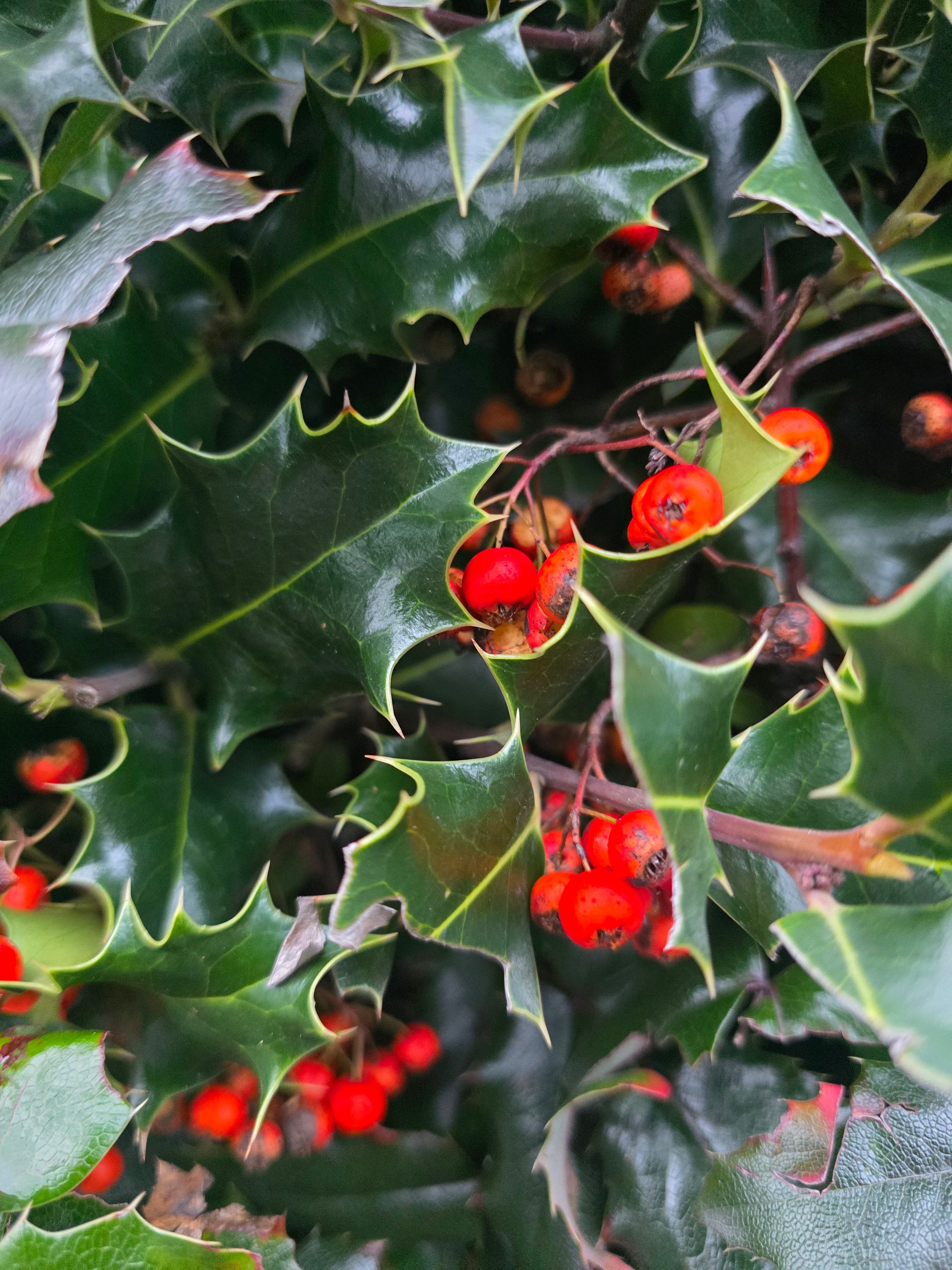
Selecting the right plants is crucial for a thriving landscape. Opt for native plants, as they are adapted to the local climate and require less maintenance. Some popular options include the Texas redbud, cenizo, and lantana.
Creating a diverse plant palette can also attract beneficial wildlife like pollinators. Incorporating plants with varying bloom times ensures a colorful garden year-round.
Conclusion
By understanding the unique climate and seasonal changes in Texas, you can create a stunning and sustainable landscape. Tailor your landscaping efforts to each season, and choose plants that thrive in your specific region. With these tips, you'll enjoy a beautiful garden all year long.