
Transforming Texas Landscapes: A Guide to Sustainable Practices


Understanding the Texas Landscape
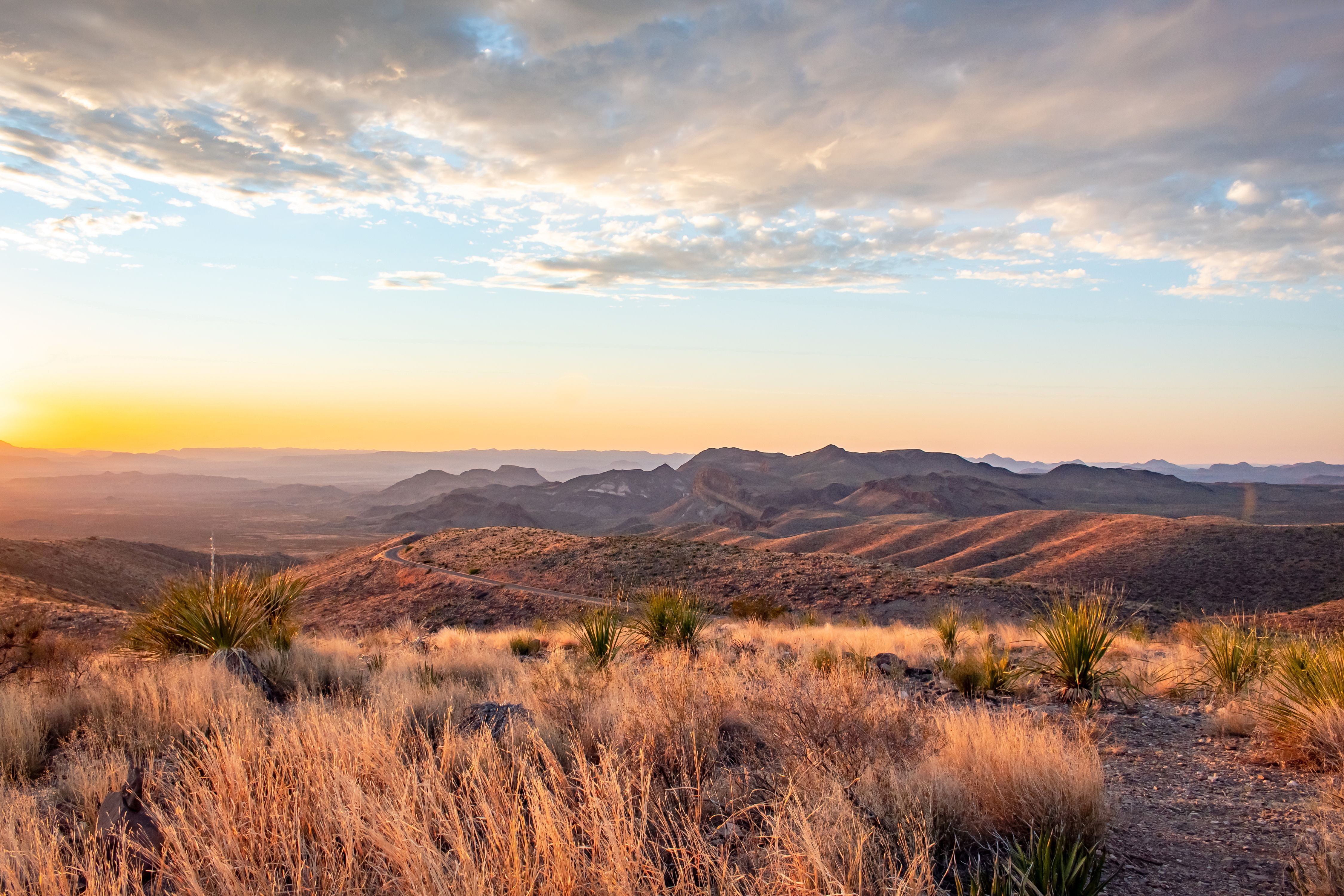
Texas is known for its diverse landscapes, ranging from arid deserts to lush forests. This diversity presents unique challenges and opportunities for sustainable landscaping practices. Whether you're in the Hill Country or the Gulf Coast, implementing sustainable techniques can enhance the natural beauty while conserving resources.
Embracing Native Plants
One of the most effective ways to create a sustainable landscape is to incorporate native plants. These plants are adapted to the local climate and soil conditions, requiring less water and maintenance. Native flora also supports local wildlife, promoting biodiversity.
Consider including species like Texas Sage, Blackfoot Daisy, and Mexican Feathergrass in your garden. These plants not only thrive in local conditions but also add vibrant colors and textures to your landscape.
Efficient Water Use
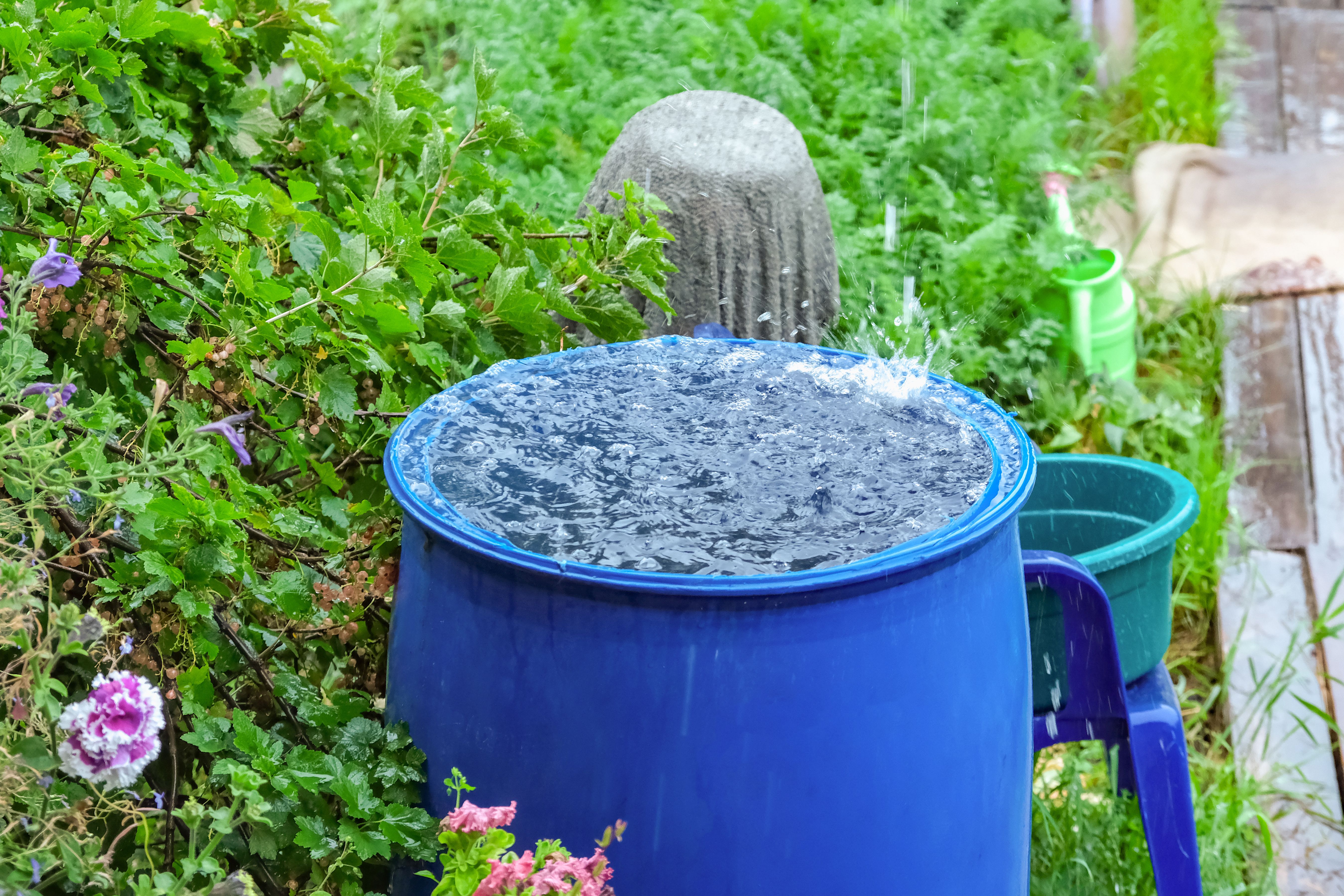
Water conservation is crucial in Texas, where drought conditions can be common. Implementing efficient irrigation systems, such as drip irrigation, can significantly reduce water usage. Additionally, collecting rainwater in barrels offers an eco-friendly way to supplement your garden's water needs.
Soil Health and Mulching
Healthy soil is the foundation of any successful garden. Regularly testing your soil and amending it with organic matter like compost can improve its structure and fertility. Mulching is another beneficial practice, as it helps retain moisture, suppresses weeds, and regulates soil temperature.
Use organic mulches such as wood chips or straw to provide your plants with the nutrients they need while enhancing the overall health of your landscape.
Energy-Efficient Landscaping
Strategic landscaping can also contribute to energy efficiency in your home. Planting trees and shrubs in the right locations can provide shade in the summer and act as windbreaks in the winter, reducing the need for heating and cooling.

Creating Wildlife Habitats
By designing landscapes that include a variety of plants, water sources, and shelter, you can create habitats that attract and sustain local wildlife. Birdhouses, bee hotels, and butterfly gardens are excellent additions that support ecosystem health.
These elements not only enhance the aesthetic appeal of your garden but also promote a healthy environment for pollinators and other beneficial creatures.
Conclusion
Transforming Texas landscapes with sustainable practices is not only possible but also rewarding. By focusing on native plants, efficient water use, soil health, and energy efficiency, you can create a beautiful and environmentally friendly outdoor space.
Taking these steps not only benefits your immediate surroundings but also contributes to broader environmental conservation efforts, ensuring that the unique beauty of Texas landscapes is preserved for future generations.